
Automotive Filter Media: A Buyer's Guide to Cabin, Oil, Fuel and Engine Air Media
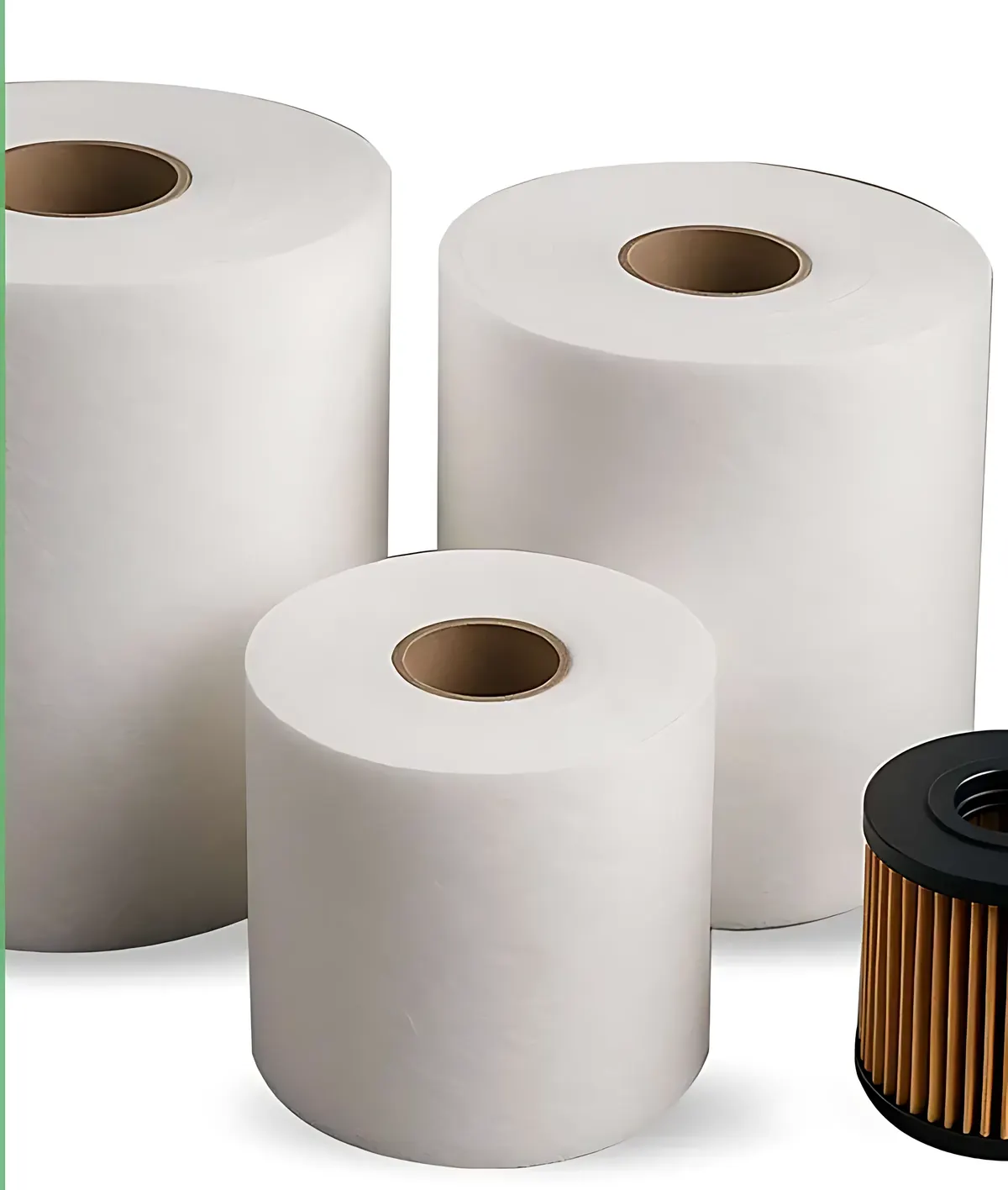
A modern vehicle has several filters, and each asks something different of its media: the cabin filter must catch fine particles without choking the fan, the oil filter must hold up to hot oil under pressure, and the fuel filter must strip water from diesel. Filter makers need a media supplier who understands those differences.
This guide is for automotive and heavy-equipment filter manufacturers, and distributors, buying automotive filtration media in rolls.
The main media types
- Cabin air media – fine fibres with an electrostatic charge for sub-micron capture, with low pressure drop and stability under heat and humidity.
- Oil filter media – fully synthetic and mesh-reinforced, strong enough for heavy-duty and hydraulic use.
- Fuel-water separation media – a PBT and cellulose composite for efficient moisture removal and longer engine life.
- Cellulose and composite media – durable, heat resistant and with high dust-holding, for engine air, fuel, oil, hydraulic and turbine filters.
Technologies behind the media
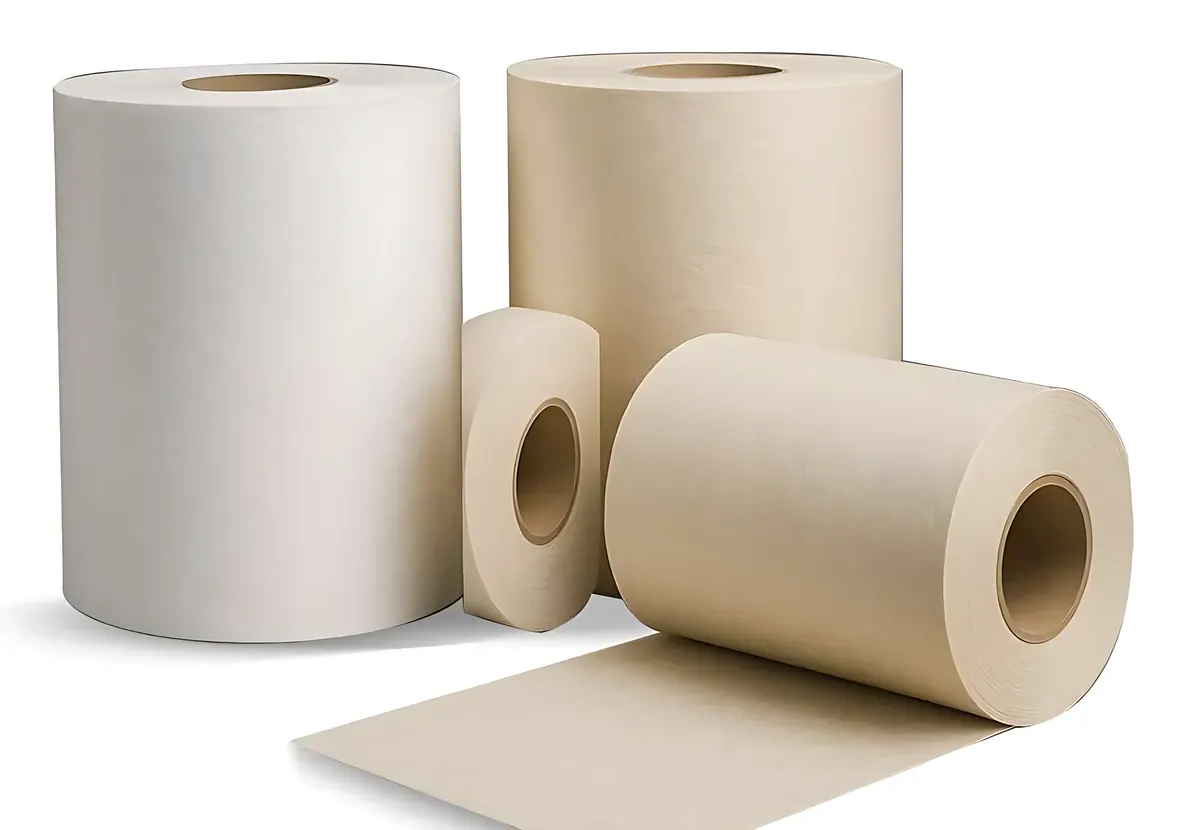
Different layers are made by different processes – meltblown, thermal bonding, needle punching, chemical bonding and nano-fibre technology – and many automotive media combine several layers for multi-stage efficiency. A fine meltblown layer, for example, adds fine-particle capture to a stronger carrier such as PET spunbond.
Where it is used
- Cabin air filters
- Engine air filters
- Oil and hydraulic filters
- Fuel-water separators
- Gas turbine intakes
- Heavy equipment
Synthetic, cellulose or composite?
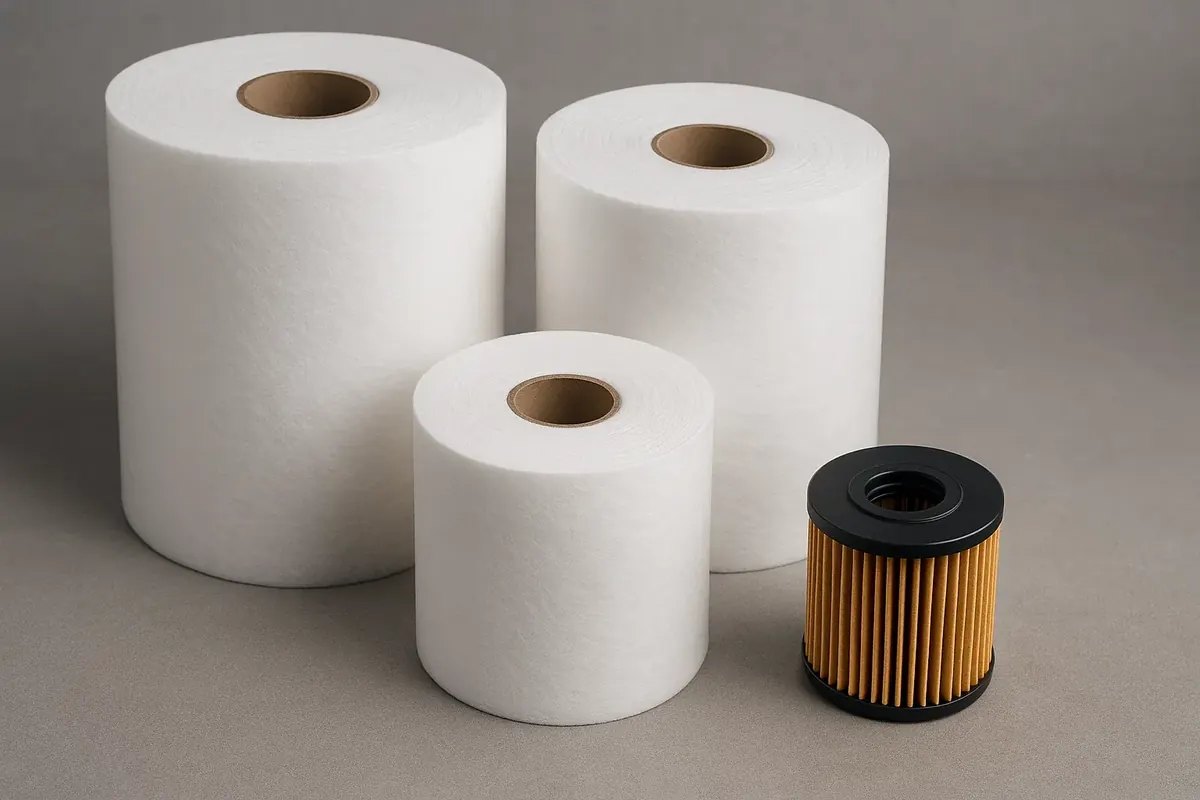
Cellulose media is the long-established, economical base for many engine air, oil and fuel filters, with good dust-holding. Fully synthetic media is stronger, keeps its performance in hot oil and fuel for longer, and suits heavy-duty and extended-interval filters. Composite media combines layers – for example a fine synthetic layer on a cellulose or spunbond carrier – to raise efficiency without losing capacity. The right choice depends on the filter's target, its service interval and its cost.
If you are moving a filter from cellulose to synthetic or composite media, plan a full test programme; pressure drop, capacity and pleating behaviour will all change.
How to write the specification
- Filter type – cabin, engine air, oil, hydraulic, fuel-water or turbine.
- Performance target – the efficiency, capacity and pressure-drop targets your filter must meet.
- Media build – synthetic, cellulose or composite, and any reinforcement.
- Process – pleating method and any heat or resin curing on your line.
- Roll format – width, length and core.
Our filter media is made to order to your specification – we do not make glass-fibre media, and there are no stock grades, so the more you tell us about the target, the closer the first sample will be.
How to test samples
- Build and test filters. Pleat the sample media into finished filters and test them on your own rigs to the method your customer uses.
- Check pleatability. Make sure the media scores, folds and holds its pleat shape.
- Check heat and fluid resistance. For oil and fuel filters, soak samples in the fluid at working temperature.
- Check consistency. Compare samples from more than one roll.
Mistakes to avoid
- Testing flat sheets only. Media behaves differently once pleated; test the finished filter.
- Ignoring pressure drop. High resistance in a cabin filter means a noisy fan and unhappy drivers.
- Leaving out the process. Curing temperatures and pleating methods affect which media works.
What to ask a supplier
- Which media types do you make, and with which technologies?
- Will you develop media to my performance target?
- Can you supply composite, multi-layer media?
- Can you slit and wind to my pleating lines?
- Can I combine filter media with other fabrics in one container?
How we supply automotive filter media
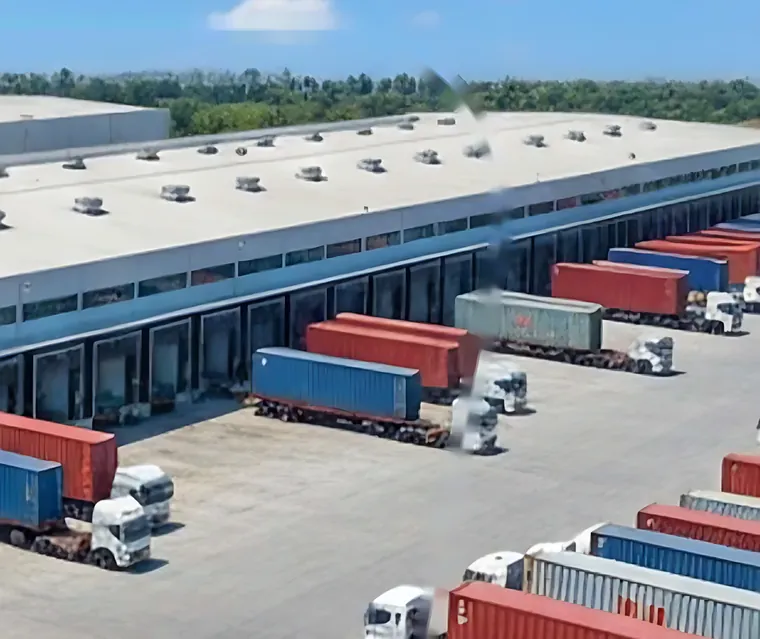
Samridhi Crreation has manufactured nonwovens in India since 2004, on its own meltblown, spunbond, SMS/SSMMS, needle-punch, spunlace and hot-air-through lines. We supply filter manufacturers and distributors worldwide. The minimum order is one 40'HQ container, and 5–6 different products can be combined in it. We ship FOB India from Mundra or Nhava Sheva, with CIF and DAP on request, and provide REACH and SVHC declarations for customers in the European Union. Samples are free, and we pay the courier.
See media types on our automotive filtration media page, or send us your specification for a quotation and samples.