
Needle-Punched Nonwoven Felt: A Buyer's Guide to Fibres, Weights and Finishes
Needle punching is one of the oldest ways of making a nonwoven, and still one of the most useful. The same basic process makes a light liner for a car boot, a dense dust-collector filter bag, an insulation felt and the absorbent face of a floor mat. What changes is the fibre, the weight and the finish – and those are exactly the choices a buyer has to get right.
This guide is for converters, filter makers, automotive suppliers and distributors buying needle-punched nonwoven felt in rolls, sheets or die-cut parts.
How needle punching works
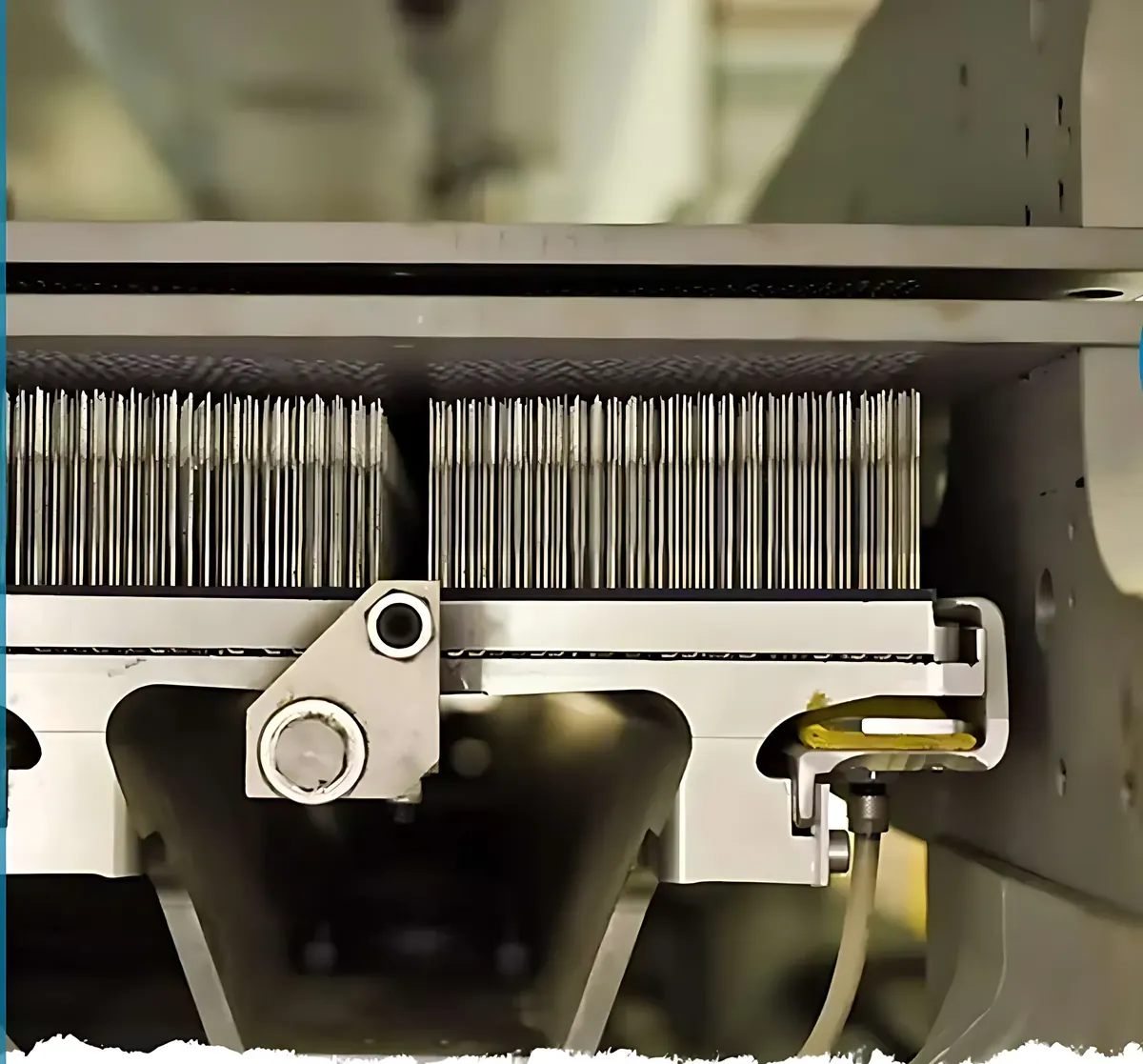
Loose fibres are carded into a web (dry-laid carding), then thousands of barbed needles punch through it again and again. Each stroke drags fibres through the web and locks them together into a strong three-dimensional structure. No chemical binders are needed. The result is durable, flexible and as thick or thin as the job requires.
Choosing the fibre
The fibre decides how the felt behaves with heat, chemicals and liquids. We run PET, PP, viscose, nylon, PAN, PPS, aramid and PTFE fibres:
- PET (polyester) and PP (polypropylene) – the everyday fibres for automotive carpets and liners, geotextiles, floor matting and general filtration.
- Viscose – for absorbent felts and blends.
- Nylon – for abrasion-resistant technical felts.
- PAN, PPS, aramid and PTFE – high-performance fibres for demanding filtration, such as hot gas and chemically aggressive conditions in dust collectors.
For filtration, the right fibre depends on the gas temperature, moisture and chemistry at the filter. Tell us those conditions and we will recommend a fibre; see also our dust bag filter media.
Weight, thickness and finishes
Needle-punched felt is made from 60 to 2,000 gsm, from soft liners to stiff technical felts. Thickness and density are set by the needling. Finishes are added to suit the use:
- Singeing – burns off surface fibres for a cleaner filter face and easier dust release.
- Calendering – presses the surface smooth and controls thickness.
- Heat setting – stabilises the felt so it keeps its dimensions in use.
- PTFE treatment – for better chemical resistance and dust release.
- Water and oil repellent – for filtration where moisture or oil mist is present.
Where it is used
- Dust-bag and liquid filtration
- Thermal and acoustic insulation
- Automotive carpets and liners
- Adhesive-backed floor matting
- Geotextiles
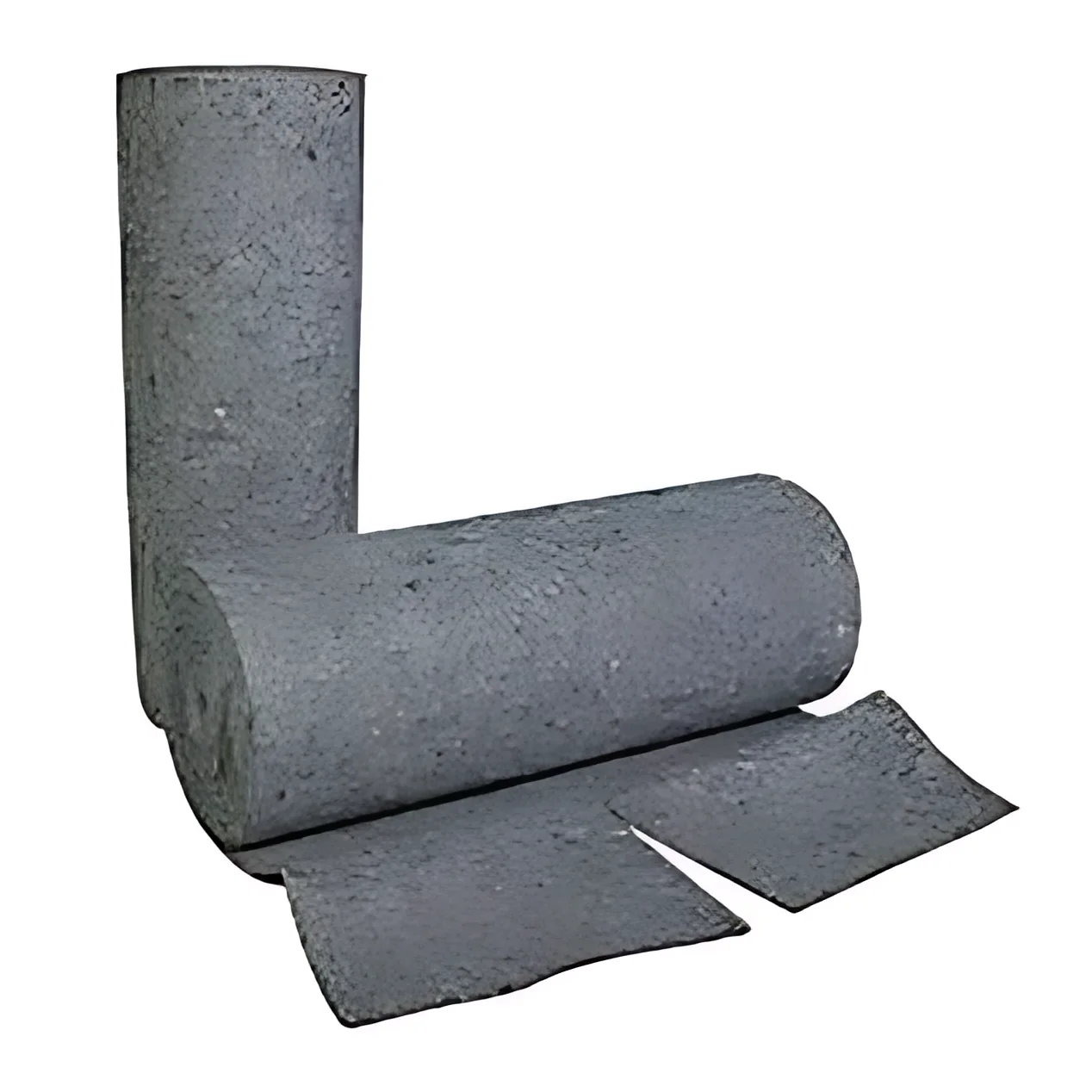
- Recycled-fibre sorbent felts
For recycled-content sorbents made by needle punching, see our shoddy felt absorbent products; for insulation felts, our insulation materials.
How to write the specification
- Fibre – single fibre or blend.
- Weight and thickness – gsm and target thickness.
- Finish – any of the finishes above.
- Format – rolls (width and length), sheets or die-cut parts.
- Use conditions – temperature, chemicals and liquids the felt will meet.
Mistakes to avoid
- Specifying weight but not thickness. Two felts of the same gsm can differ in thickness and density, and behave differently.
- Choosing filter fibre without the gas conditions. Temperature and chemistry decide which fibre lasts.
- Leaving out the finish. An unfinished filter felt can blind faster than a singed or treated one.
What to ask a supplier
- Do you run your own needle-punch lines?
- Which fibres and blends can you make?
- Which finishes can you apply in-house?
- Can you supply rolls, sheets and die-cut parts?
- Can I combine felt with other products in one container?
How we supply needle-punched felt
Samridhi Crreation has manufactured nonwovens in India since 2004, on its own needle-punch, spunbond, meltblown, SMS/SSMMS, spunlace and hot-air-through lines. Filter media is synthetic only and made to order to the customer's specification. We supply converters and distributors worldwide. The minimum order is one 40'HQ container, and 5–6 different products can be combined in it. We ship FOB India from Mundra or Nhava Sheva, with CIF and DAP on request, and provide REACH and SVHC declarations for customers in the European Union. Samples are free, and we pay the courier.
See fibres, weights and finishes on our needle-punched nonwoven page, or send us your specification for a quotation and samples.