
PP Spunbond Nonwoven Fabric: A Buyer's Guide to Weights, Constructions and Finishes
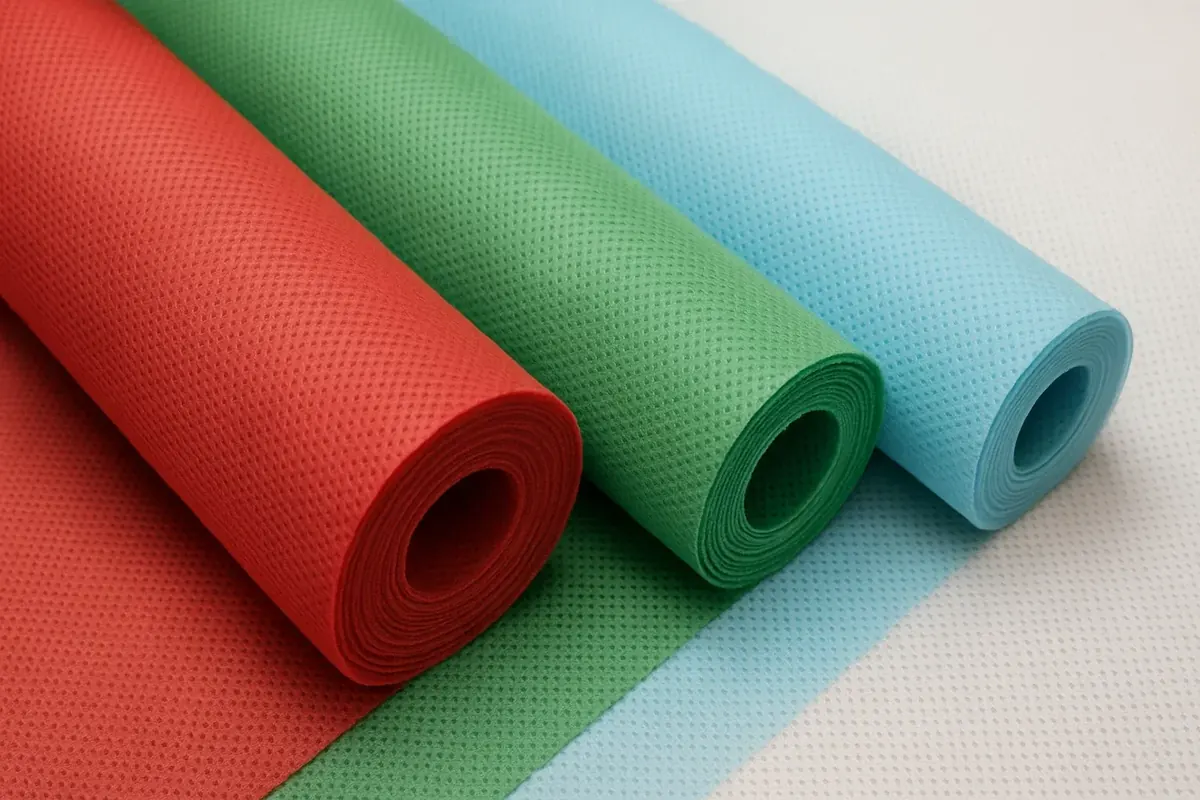
Polypropylene spunbond is one of the most widely used nonwovens in the world. It goes into diapers and sanitary products, medical gowns and caps, crop covers, furniture, shopping bags and the coverstock of absorbent pads. Because it is everywhere, it is easy to treat as a commodity. For a converter, though, small differences in evenness, strength and finish decide whether a line runs smoothly or stops.
This guide is for converters and distributors buying PP spunbond nonwoven fabric in rolls. It explains the main choices – construction, weight, colour and finish – and what to agree with a manufacturer before you order a container.
What PP spunbond is
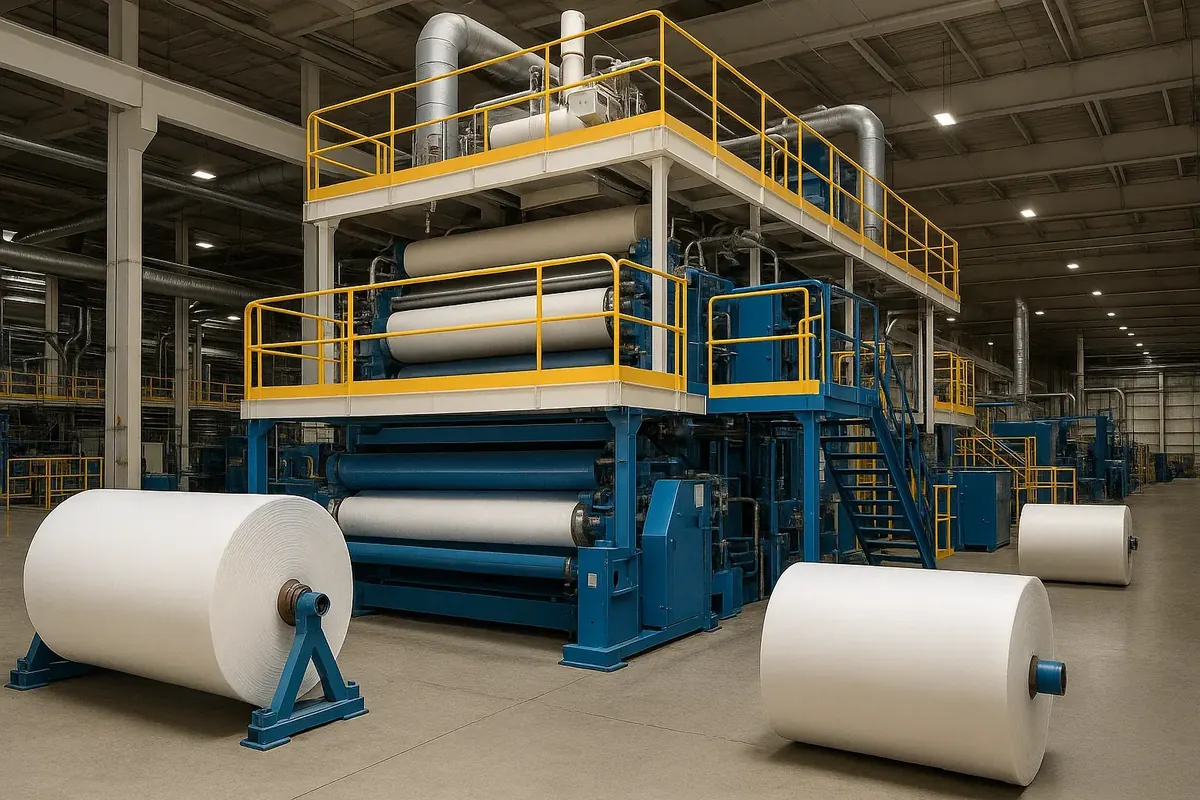
Spunbond is made by melting polypropylene, spinning it into continuous filaments, laying them as a web and thermally point-bonding the web. The result is light, strong and uniform. Our PP spunbond is 100% polypropylene, made on 2-beam and 3-beam extruder lines with Reicofil (Germany) technology. Fully automated lines, in-line camera inspection and robotic packing keep every roll even and clean.
SS or SSS?
The number of beams decides how many spunbond layers are laid on top of each other:
- SS (2-beam) – two layers, from 10 to 80 gsm. A strong, economical choice for bags, furniture, agriculture and general industrial uses.
- SSS (3-beam) – three layers, from 8 to 80 gsm. Three thinner layers give a more even web at the same weight, which matters for hygiene, medical and light-weight applications.
Choosing the weight
Weight (gsm) is the first number on any specification. As a rough guide, the lightest weights go into hygiene coverstock and medical disposables, middle weights into bags, furniture and covers, and heavier weights into industrial and agricultural products. The best approach is to start from the product you make today: send us a sample or your current specification and we will match it.
Colours and finishes
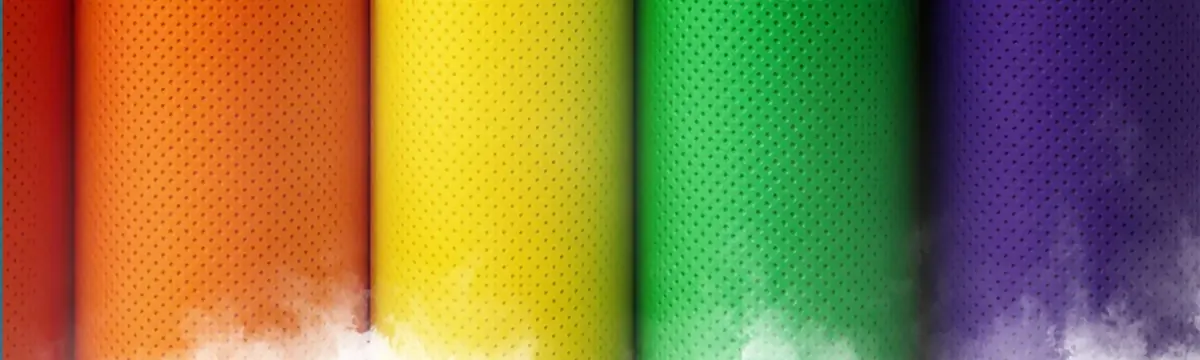
White is standard, and any other colour can be matched with masterbatch to your shade. Finishes are added on order:
- Hydrophilic – lets liquid pass through, for hygiene topsheets.
- UV-stabilised – for crop covers and outdoor use.
- Anti-static – for medical and some industrial uses.
- Flame-retardant – for furniture and bedding where required.
Where it is used
- Hygiene: diapers and sanitary products
- Medical gowns, caps and covers
- Agriculture crop covers
- Furniture and bedding
- Shopping bags and packaging
- Sorbent coverstock and lamination
Where a product needs a barrier as well as strength, such as surgical gowns and drapes, buyers usually move from plain spunbond to SMS nonwoven, which adds a meltblown layer in the middle. For heat resistance or bitumen adhesion, see PET and nylon spunbond.
How to test samples before ordering
Spunbond that looks identical in the hand can run very differently on a converting line. Before a container order, check samples and trial rolls for:
- Weight across the width – cut and weigh pieces from the edges and the centre; uneven weight shows up as weak spots and uneven products.
- Evenness – hold the fabric up to the light; cloudy, thin or thick patches mean an uneven fibre lay-down.
- Strength and elongation – compare machine and cross direction with the fabric you use today.
- Finish performance – for hydrophilic grades, how quickly liquid passes through; for UV grades, the stabilisation level you need for your season.
- Line performance – run a trial roll at normal speed and watch for breaks, static and winding problems.
Mistakes to avoid
- Comparing prices at different weights. A cheaper offer at a lower real gsm is not cheaper. Check the weight on arrival.
- Ignoring the colour standard. Agree a physical colour reference or shade card, not just a colour name.
- Leaving out the roll details. Width, length, core and splice rules belong in the specification.
What to ask a supplier
- Do you make the fabric on your own lines, and with which technology?
- Do you run SS, SSS or both, and which do you recommend for my product?
- How do you keep weight and evenness consistent across the roll width?
- Can you match my colour and add the finish I need?
- Can you slit to my width and wind to my length and core?
- What is the minimum order, and can I combine spunbond with other products in one container?
How we supply PP spunbond
Samridhi Crreation has manufactured nonwovens in India since 2004, on its own spunbond, meltblown, SMS/SSMMS, needle-punch, spunlace and hot-air-through lines. We supply converters and distributors worldwide, including under their own brand. Rolls are slit to width and wound to length. The minimum order is one 40'HQ container, and 5–6 different products can be combined in it. We ship FOB India from Mundra or Nhava Sheva, with CIF and DAP on request, and provide REACH and SVHC declarations for customers in the European Union. Samples are free, and we pay the courier.
See weights, colours and finishes on our PP spunbond page, or send us your specification for a quotation and samples.