
Spunlace Nonwoven Fabric: A Buyer's Guide to Fibres, Finishes and Specifications
If you sell wet wipes, cosmetic pads, industrial wipers or household cloths, there is a good chance the base material is spunlace. It is soft, strong and cloth-like, and it holds no chemical binders. But "spunlace" on a purchase order is not a specification. Two rolls with the same name can behave very differently once they are converted, packed in lotion or used on a workshop floor. This guide explains what spunlace is, where each type fits, and what to write down before you ask a manufacturer for a price.
What spunlace fabric is
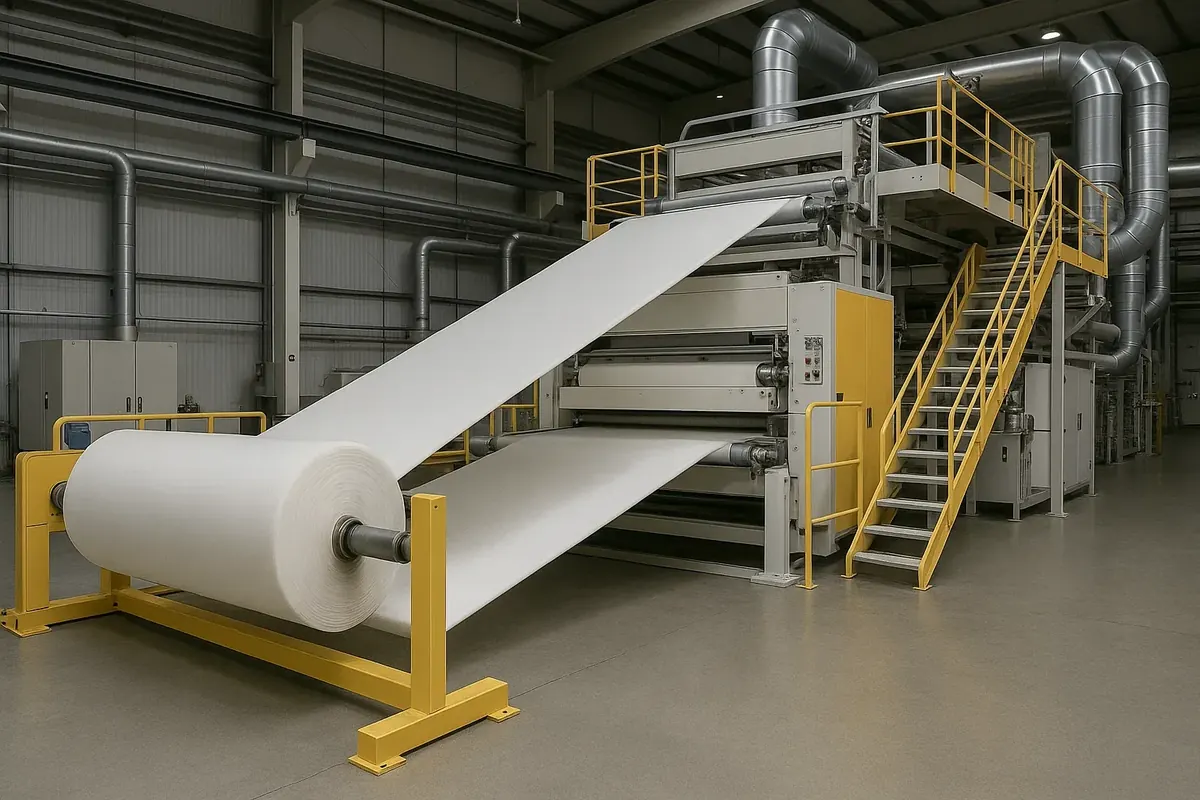
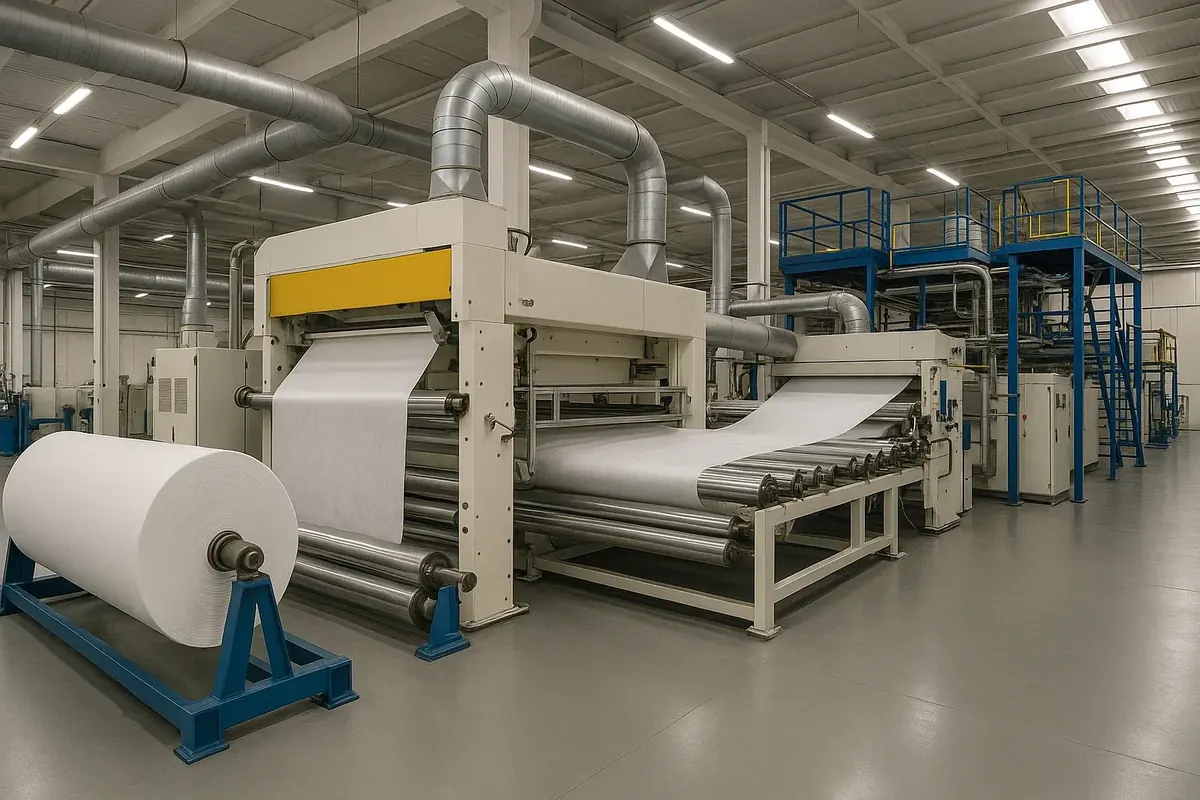
Spunlace is also called hydroentangled nonwoven. Loose staple fibres are first carded into a thin, even web. That web then passes under rows of very fine, high-pressure water jets. The jets push the fibres around each other and lock them together. After drying, the result is a fabric held together by the fibres themselves, with no glue and no thermal bonding.
Because there is no binder, spunlace feels soft and drapes like a woven cloth. It absorbs well when the fibres are absorbent, and it releases little lint for its weight. That combination is why it is used so widely for products that touch skin or that need to wipe a surface clean.
Where spunlace is used
- Wet wipes and baby wipes: the largest use. The fabric has to stay strong when soaked, feel gentle on skin and carry lotion evenly.
- Cosmetic and facial pads: soft, absorbent, and often embossed or apertured for a better feel.
- Wound care and medical products: where low lint and a clean, binder-free fabric matter.
- Industrial wipers: for workshops, print rooms, electronics and food plants. See our wiping products for converted formats.
- Kitchen and household cloths: reusable or disposable, often printed.
Step 1: choose the fibre
The fibre decides most of how the fabric behaves. It is the first line on any spunlace specification.
- Polyester: strong, durable and cost-effective. On its own it absorbs less water, so it is usually blended for wipes.
- Viscose: soft and highly absorbent. Very common in wet wipes and personal care, usually blended with polyester for wet strength.
- Cotton: natural feel and good absorbency, popular for premium cosmetic and baby products.
- Lyocell (Tencel): a cellulose fibre with a smooth hand and good strength when wet.
- Bamboo-based fibre: chosen by brands that want a plant-based story on the pack.
Most buyers end up with a blend. When you do, write the blend ratio on the specification and ask what tolerance the supplier holds on it. A small shift in the viscose share changes absorbency and softness enough for end users to notice.
Step 2: set the weight, width and strength
Weight is given in GSM (grams per square metre). Lighter fabrics cost less per wipe; heavier fabrics feel thicker and hold more liquid. Pick the GSM from the finished product you want, not from habit, and ask for a tolerance range rather than a single number.
Width should match your converting machine, including trim. If you run several products, check whether one parent width can be slit into all of them, as this simplifies ordering.
Strength matters in both directions. Spunlace is usually stronger along the machine direction (MD) than across it (CD). For wet wipes that are pulled out of a pack one at a time, CD strength and wet strength are often the weak points, so state a minimum for both, measured wet if the product will be used wet.
Step 3: pick the surface and finish
- Plain: a smooth, even surface for general wipes and as a base for lamination or printing.
- Apertured (mesh): small regular holes that add texture and help trap dirt. Common in baby wipes and cleaning cloths.
- Embossed: a raised pattern that adds bulk and a premium look without adding much weight.
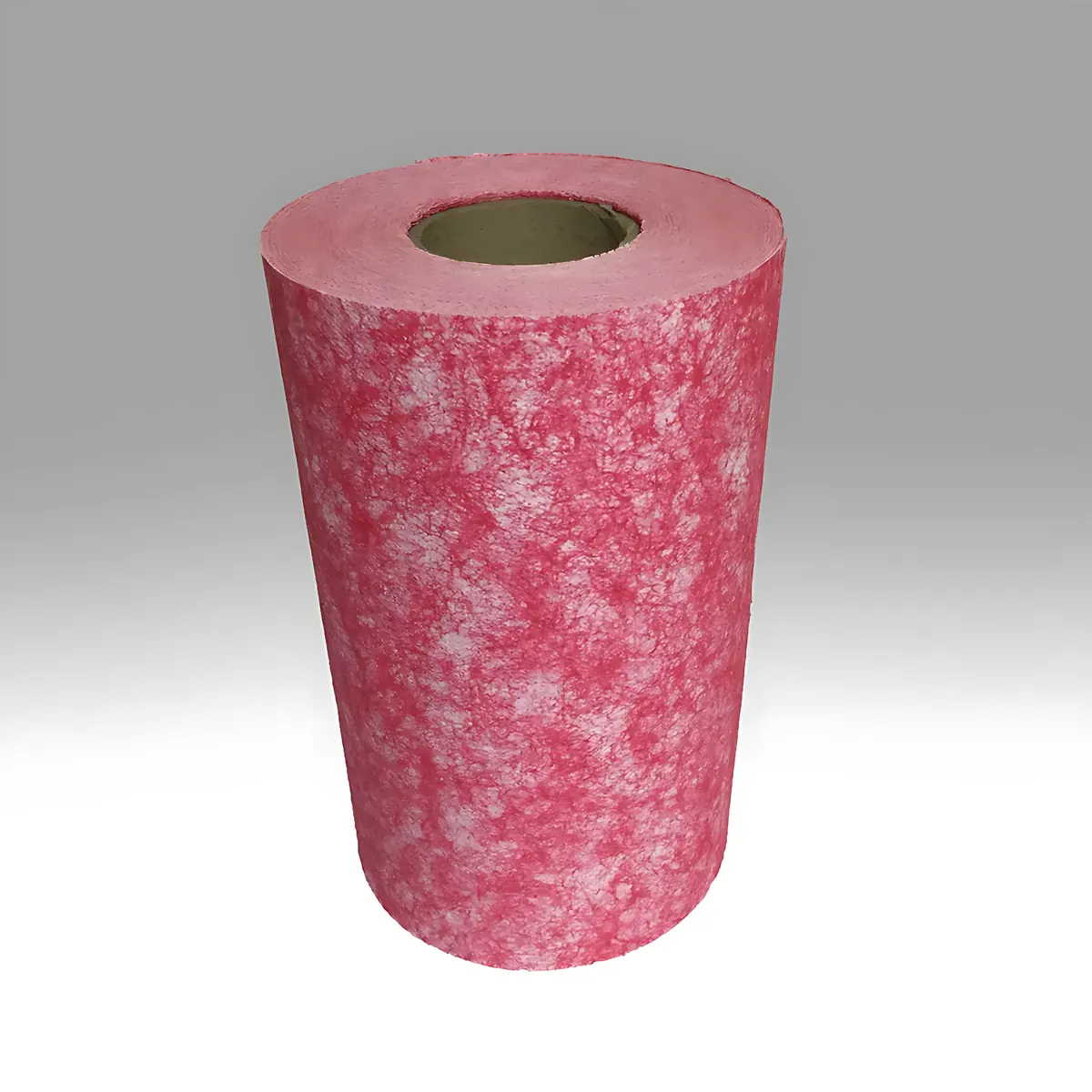
- Printed: patterns or colours, used for kitchen cloths and branded products.
- Treated: finishes applied for a particular end use. Tell the supplier what the fabric must do, and let them propose the treatment.
Spunlace or another nonwoven?
Spunlace is not always the right answer. If you need a liquid barrier, for example in a gown or drape, a polypropylene SSMMS nonwoven is usually the better base. If you need a bulky, soft layer that lets liquid pass quickly, such as a top sheet or transfer layer in a hygiene product, look at hot-air-through nonwoven. Spunlace is strongest where softness, absorbency and a cloth-like feel all matter at once.
What to ask a spunlace supplier
Before you compare prices, make sure every supplier is quoting the same fabric. These questions help:
- Which fibres and blend ratios can you run, and what tolerance do you hold on the blend?
- What GSM and width tolerances can you guarantee, roll to roll?
- Can you send samples from a normal production run, not a special trial?
- Which properties do you test on each lot, and will you share the results with the shipment?
- Which surfaces can you offer: plain, apertured, embossed, printed?
- Do you supply jumbo rolls, slit rolls, or both? What core size and roll diameter?
- How are rolls packed for sea freight, and how many fit in a container?
- For EU customers: can you provide REACH and SVHC declarations?
A supplier who answers these clearly, in writing, is usually one who will still be consistent on the tenth container.
How we supply spunlace
Samridhi Crreation is a manufacturer and exporter from India, established in 2004, with more than 1,000 clients. We make spunlace in-house, alongside spunbond, meltblown, SMS/SSMMS, needle-punch and hot-air-through lines, with an annual spunlace capacity of 12,000 MT.
- Fibres: polyester, viscose, cotton, Tencel, bamboo and blends.
- Surfaces: plain, apertured, embossed, printed and treated.
- Formats: jumbo rolls for converters, or slit rolls to your width.
- Private label / OEM: we supply distributors worldwide under their own brand.
- Orders: minimum one 40'HQ container, and you can combine 5 to 6 products in that container, for example spunlace rolls together with finished wipers.
- Shipping: FOB India (Mundra or Nhava Sheva) as standard, with CIF and DAP on request.
- Packing: plain polybags as standard; printed cartons on request at extra cost.
- EU documents: REACH and SVHC declarations.
You can see the full range on our spunlace non-woven fabric page.
Getting a quote
The fastest way to an accurate quote is a short specification: end use, fibre blend, GSM, width, surface, roll format, monthly or yearly quantity and destination port. If you are not sure about some of these, tell us what the finished product needs to do and we will suggest a starting point and send samples. Contact us with your details and we will reply with options.