
How to Choose a Nonwoven Fabric Manufacturer in India: A Buyer's Checklist
Also available in: Deutsch · Français · Español · Italiano · Nederlands · Polski · Čeština · Svenska · Norsk · Suomi · Русский · Türkçe · 日本語 · 简体中文
India is an established source of nonwoven fabrics, and many importers buy spunbond, meltblown, spunlace, needle-punched and other nonwovens from Indian mills. Choosing the right partner is not only about the price per kilo. A supplier who cannot hold a specification, or who misses a shipping date, costs far more than a few cents saved on the quote.
This checklist is for importers, distributors and converters who are buying nonwoven fabric from India for the first time, or who want to add a second source. It covers what to check before you send an enquiry, what to ask, and how to judge the answers.
1. Manufacturer or trader?
Many companies that sell nonwovens from India do not make them. Traders and agents can be useful, but when something goes wrong with a roll, you want to talk to the people who run the line. Ask directly which products the company makes itself and which it buys in. A real manufacturer will name its processes, show its lines and send photos or a video call from the factory floor.
2. Which processes do they run in-house?
"Nonwoven" covers very different processes, and each suits different end uses:
- Spunbond: strong, light fabric made directly from polymer, used for hygiene, agriculture, packaging and as a carrier layer. See PP spunbond.
- Meltblown: very fine fibres for filtration and absorbents.
- SMS and SSMMS: spunbond and meltblown layers combined for barrier fabrics in medical and hygiene products.
- Spunlace: water-jet entangled, soft and absorbent, for wipes and cosmetic pads.
- Needle-punch: mechanically bonded felts for filtration, insulation and automotive uses.
- Hot-air-through: bulky, soft fabric for hygiene top sheets and transfer layers.
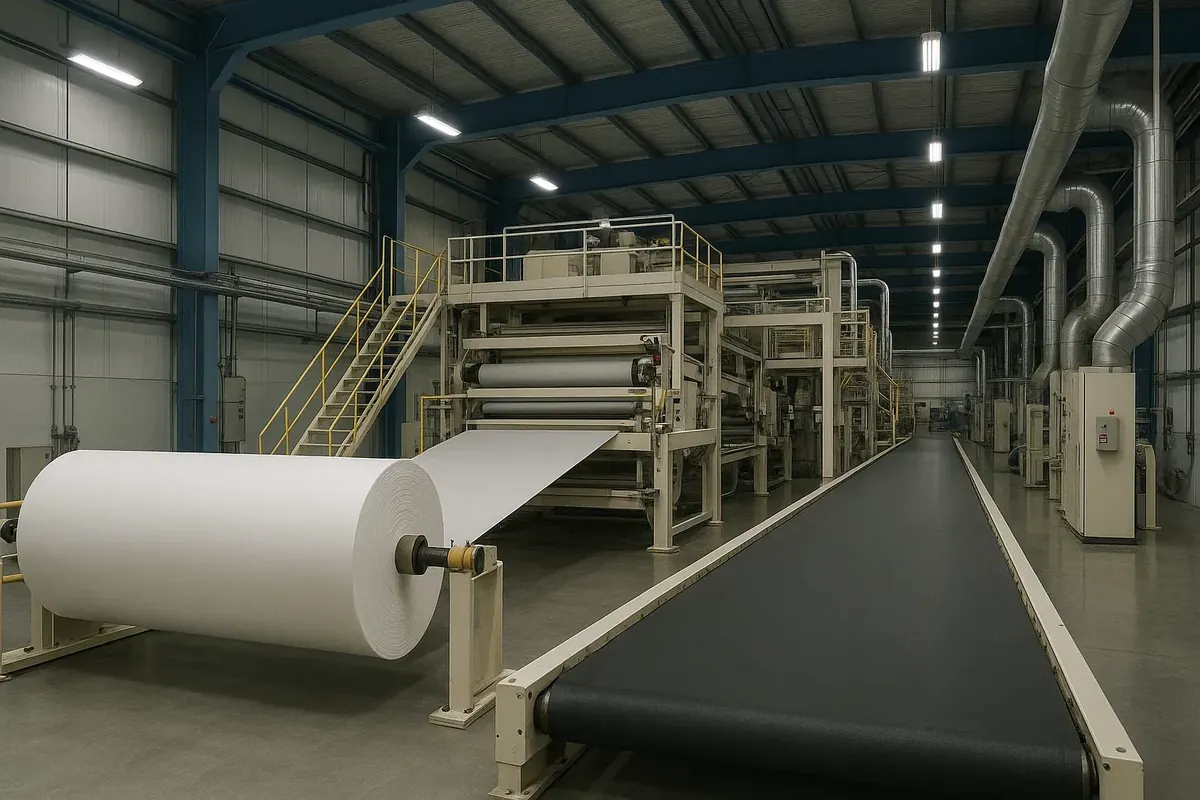
If you buy several of these, a manufacturer that runs more than one process in-house can supply them together and help you choose between them. Ask which lines the mill owns and what each line makes.
3. Can they hold your specification?
Consistency is what separates a good supplier from a cheap one. Before you order, agree on a written specification: polymer or fibre, weight (gsm), width, colour, strength, and any treatment, each with a tolerance. Then ask:
- Which properties do you test on each lot, and will you share the results with the shipment?
- Can you send samples from a normal production run, not a special trial?
- How do you handle a claim if a roll is out of specification?
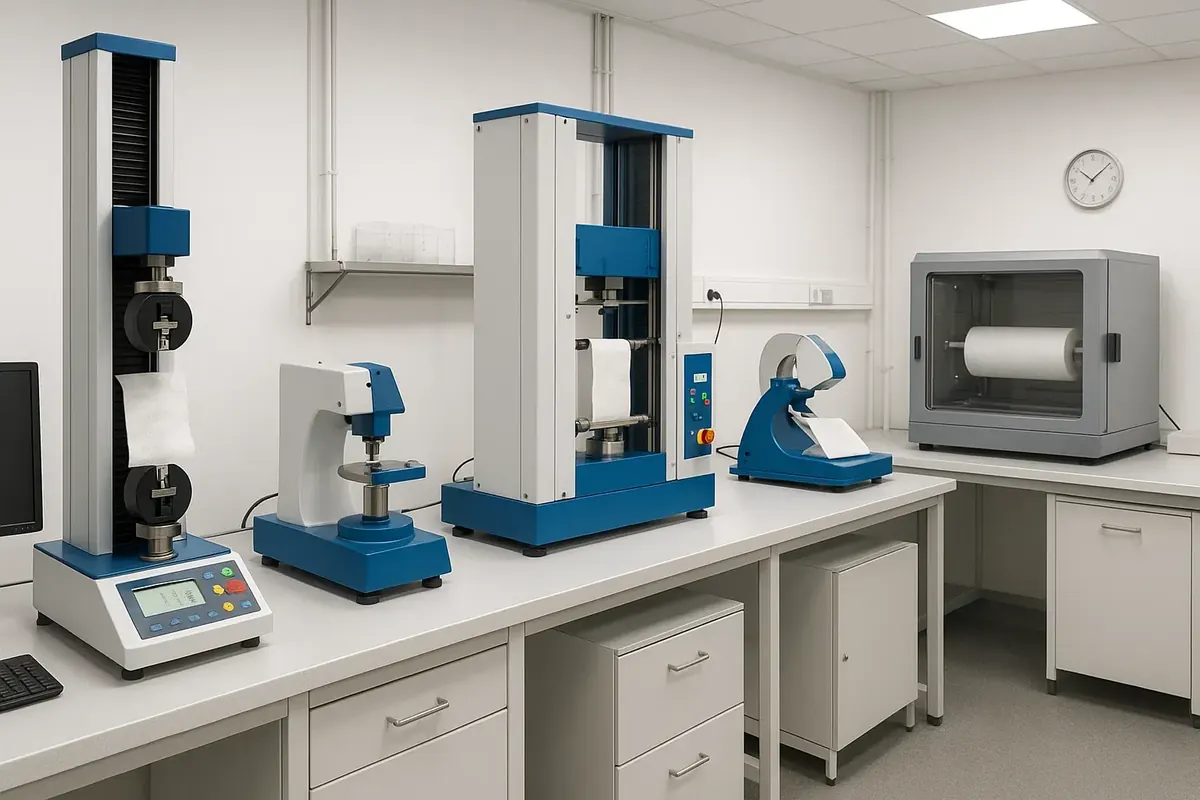
Test the samples yourself, on your own converting line if you can. Compare more than one roll. A first sample that is perfect means little if the tenth container is not.
4. Private label and product range
Many importers sell under their own brand. Check whether the manufacturer supplies private label / OEM, and whether it can pack in your design. If you buy finished products as well as roll goods, for example wipers or absorbent pads alongside fabric, a supplier with a wider range lets you fill one container with several products.
5. Export terms and minimum order
Ask early about the commercial basics, so there are no surprises later:
- Minimum order: per product, or per container? Can different products be combined?
- Incoterms: FOB, CIF or DAP, and from which Indian port.
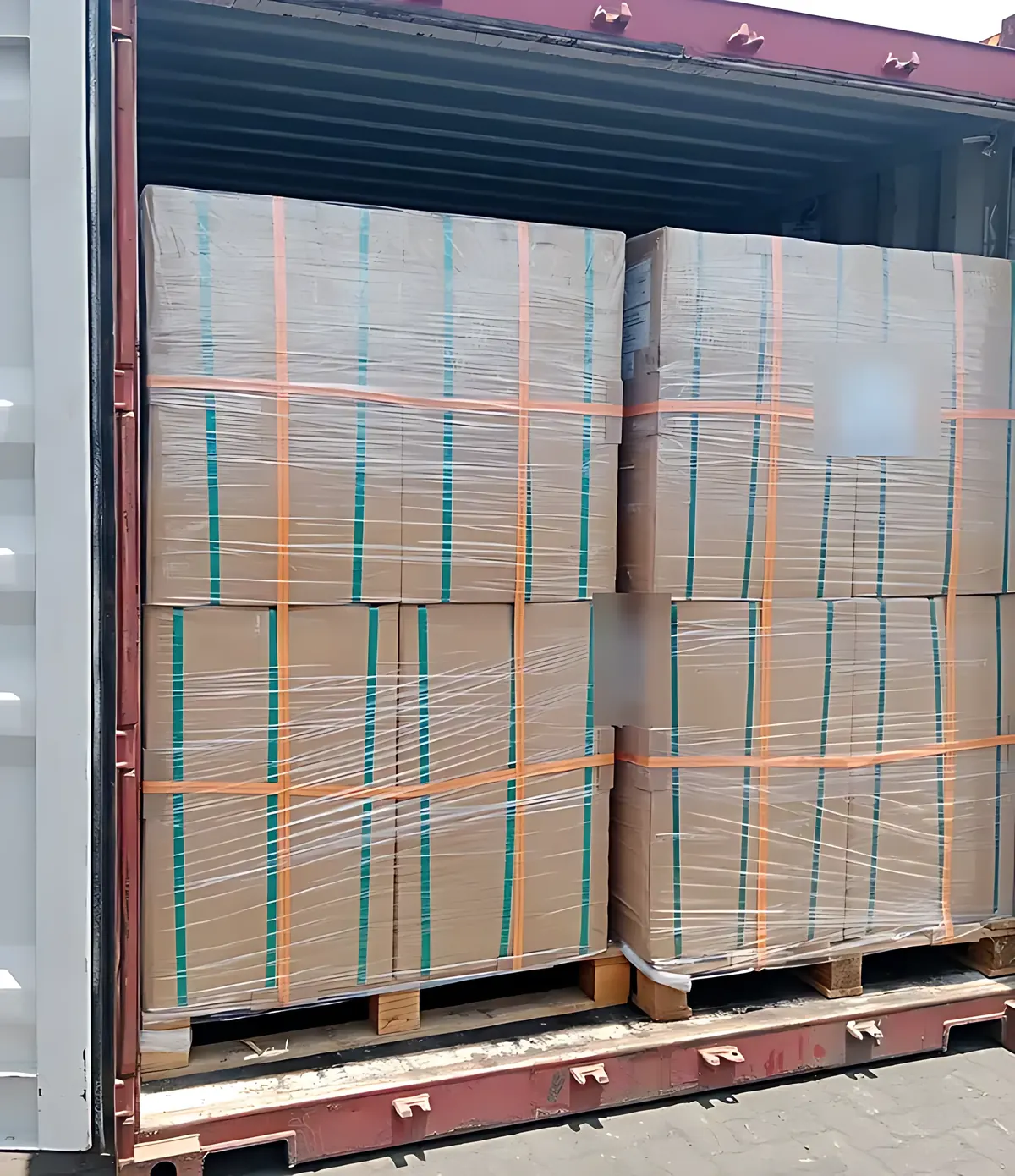
- Packing: how rolls are wrapped, palletised and loaded, and what printed cartons cost extra.
- Documents: for EU customers, REACH and SVHC declarations.
- Lead time: from order to loading, and how it changes in busy months.
6. Communication
You will deal with this supplier for years, across time zones. Notice how quickly and clearly they answer your first questions. Do they reply in writing, with numbers, or with vague promises? Do they ask about your end use before quoting? A supplier who asks good questions usually makes fewer mistakes.
Warning signs
- A price far below every other quote, with no explanation.
- No clear answer to "do you make this yourselves?"
- Samples that look different from the photos, or from each other.
- No written specification or tolerance on the quote.
- Pressure to pay in full before any sample has been approved.
A short checklist
- Confirm the company manufactures the products you need.
- List the processes it runs in-house.
- Agree a written specification with tolerances.
- Test production samples from more than one roll.
- Agree minimum order, Incoterms, port, packing and documents in writing.
- Start with one container, then review quality and delivery before scaling up.
How Samridhi Crreation works
Samridhi Crreation is a manufacturer and exporter from India, established in 2004, with 40+ years of textile experience and more than 1,000 clients. You can read more on our company overview.
- In-house lines: spunbond (Reicofil lines), meltblown, SMS/SSMMS, needle-punch, spunlace (12,000 MT a year) and hot-air-through, plus 350 high-speed looms, in a 50,000 m² facility with fully automated manufacturing. See our technology and infrastructure.
- Private label / OEM: we supply distributors worldwide under their own brand.
- Minimum order: one 40'HQ container, and 5 to 6 products can be combined in it. PET and nylon spunbond: one 20' container each.
- Shipping: FOB India (Mundra or Nhava Sheva) as standard, CIF and DAP on request.
- Packing: plain polybags as standard; printed cartons on request at extra cost.
- EU documents: REACH and SVHC declarations.
If you are comparing suppliers, send us your specification and target quantities through our contact page. We will answer in writing and arrange production samples, so you can test them against your current material.