
Aramid Felt: A Buyer's Guide to Meta-Aramid Needle Felt for Filtration and Insulation
Also available in: Deutsch · Français · Español · Português · Italiano · Nederlands · Dansk · Svenska · Norsk · Suomi · Polski · Čeština · Slovenčina · Magyar · Русский · Türkçe · العربية · 日本語 · 简体中文 · 한국어 · Tiếng Việt · Bahasa Melayu
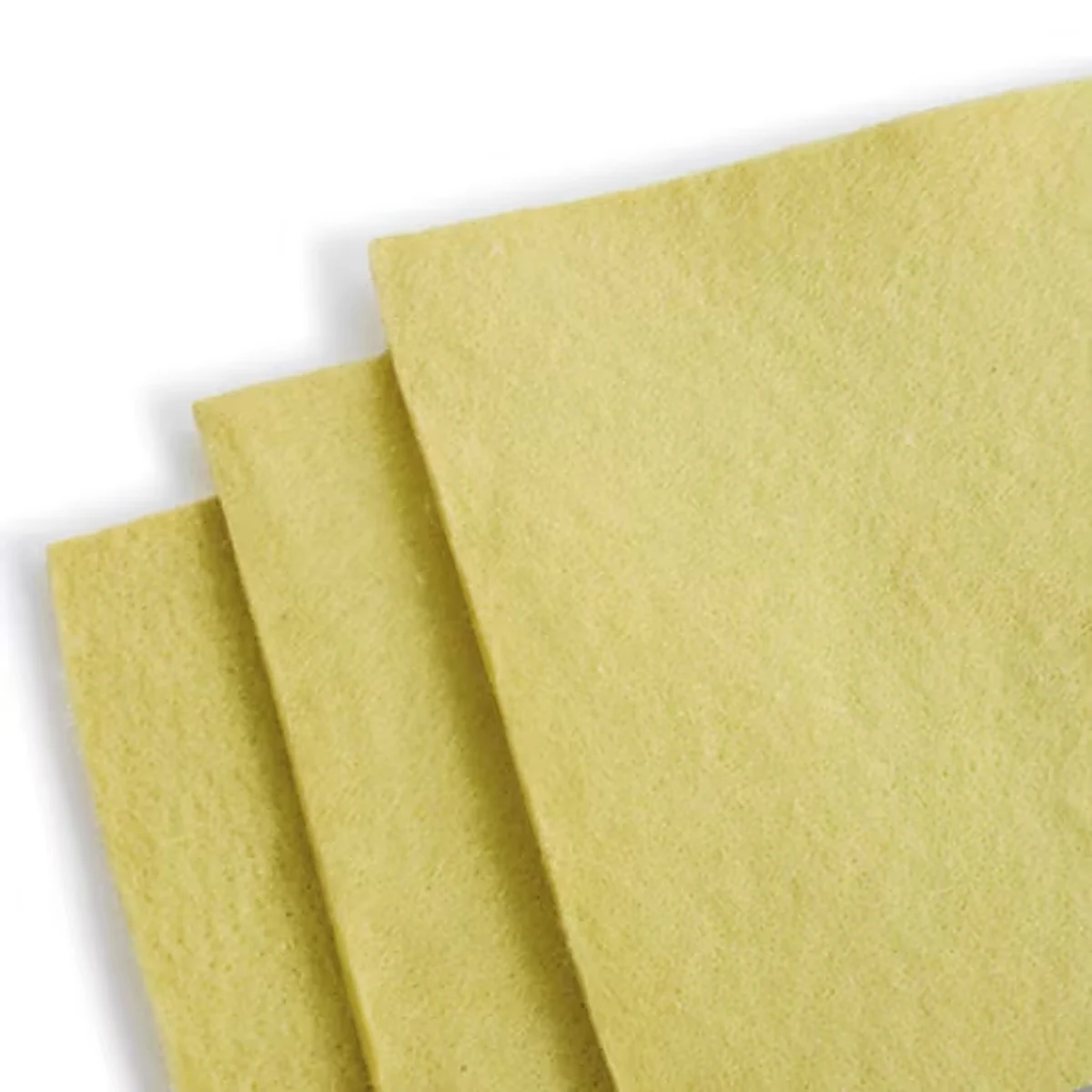
Aramid felt is the needle felt buyers turn to when heat and flame are part of the job. It is used as filter media in dust collectors on hot, dry processes, and as insulation felt in places such as engine bays, industrial ovens and fire barriers. Buying it well means knowing where aramid is strong, where another fibre does better, and what to put in the specification.
This guide is for filter bag makers, insulation and component makers, maintenance buyers and distributors who buy aramid needle felt in rolls. We make and supply the felt and media only, not finished filter bags or insulation parts.
What aramid felt is
Aramid is a family of high-performance synthetic fibres. For felts the usual choice is meta-aramid, a fibre that is flame resistant and thermally stable. Para-aramid is the other main member of the family; it is valued for being very strong and lightweight, and is chosen where strength matters most.
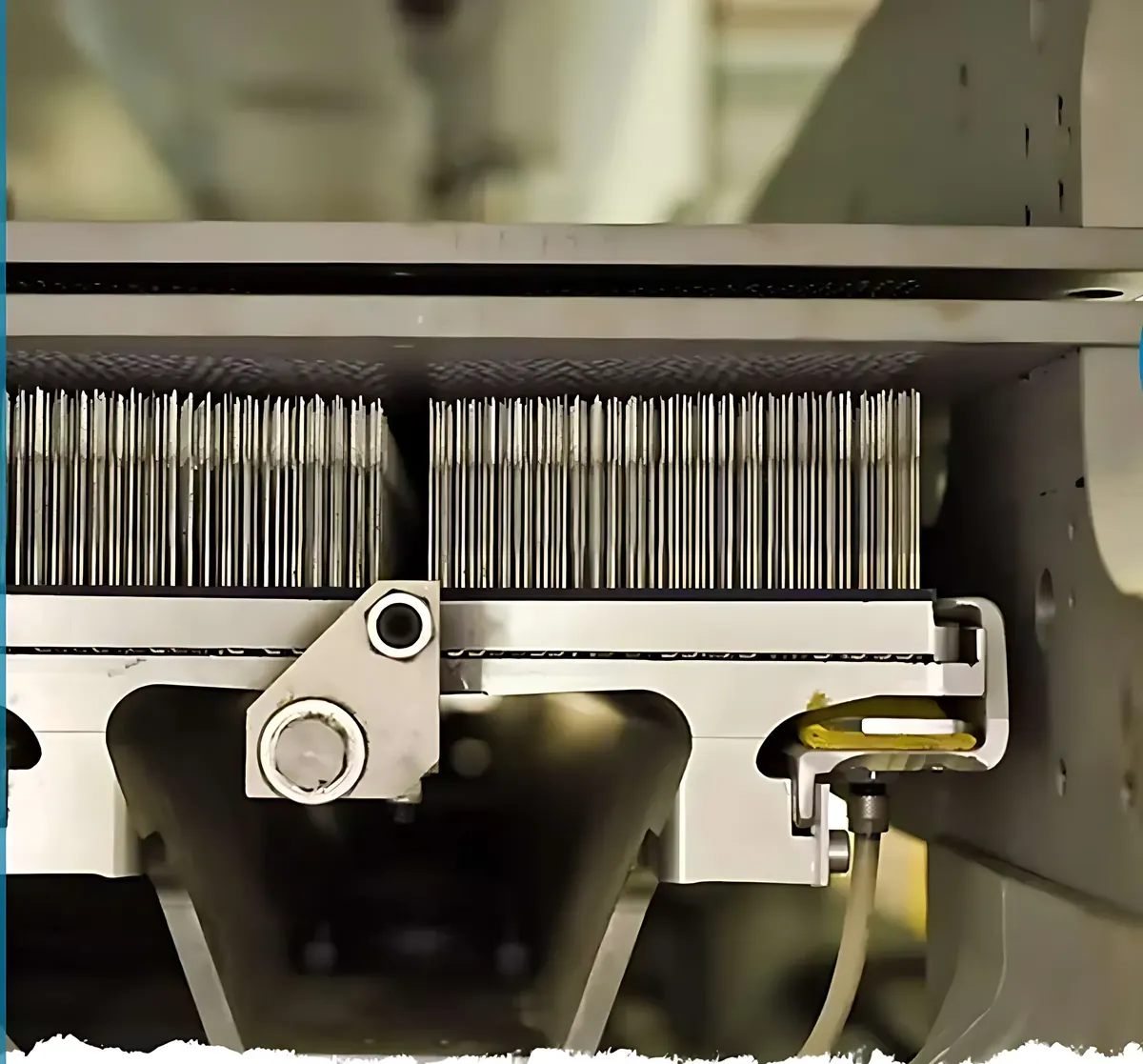
To make needle-punched felt, the fibres are carded into a web and needle-punched, often around a woven scrim that adds strength and helps the felt keep its shape. The felt is then finished: heat set so it stays stable in service, and singed, glazed or calendered on the surface.
Buyers choose aramid felt for four things:
- Heat resistance: it keeps its strength and shape in hot service.
- Flame resistance: useful wherever sparks or flame can reach the felt.
- Strength at low weight: a strong felt that is still light and easy to handle.
- Chemical resistance: it resists many chemicals, although it is more sensitive to acid and moisture than PPS.
Where aramid felt is used
Filter media for dust collectors
In dust collectors, aramid felt is a common choice for hot gas from dry processes; asphalt mixing plants are a typical example. Our bag filter media, aramid among them, go to collectors in cement, steel and metal, power, waste incineration, chemicals and other industries. In each case the fibre is chosen by the gas, not by the industry name: its temperature, its moisture and the acid gases in it.
Insulation felt
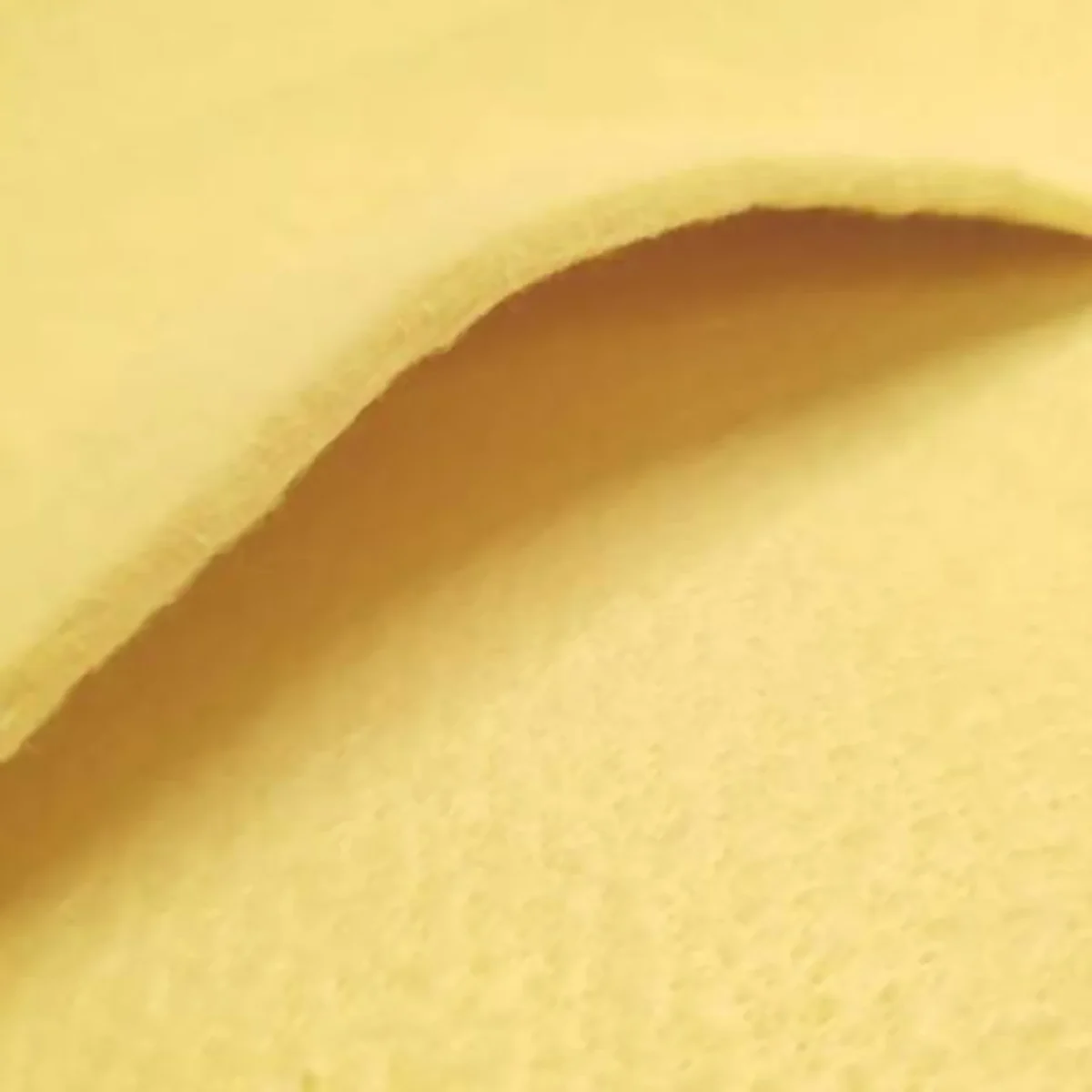
As high-temperature insulation felt, aramid is used for thermal and acoustic insulation, in aerospace and engine bays, in fire barriers and in industrial ovens and furnaces. Here its low weight and flame resistance count as much as its heat resistance.
Not the same as aramid fabric
Woven aramid fabrics for protective clothing are a different product: they are woven, not needle-punched. If you need fabric for workwear, see our guide to flame-retardant workwear fabric.
Aramid compared with other hot-gas fibres
- Polyester (PET): lower cost and strong, but limited to moderate temperatures and weakened by hot moisture. Where it works, it is the economical choice.
- Meta-aramid: heat resistant, flame resistant and strong, but more sensitive to acid and moisture than PPS. It is at its best in hot, dry gas.
- PPS: resists acid, alkali and hot moisture well, but strong oxidising conditions attack it.
- P84 (polyimide): high temperature, acid, alkali and hydrolysis resistance, and a fibre shape that captures fine dust well.
- PTFE: the most chemically resistant fibre, stable up to 260°C, for the harshest conditions, usually at the highest cost.
A simple rule: when the gas is hot and dry, aramid is a strong candidate. When it is hot and also acidic or moist, look at PPS, P84 or PTFE first, and ask your supplier to check the full gas conditions with you.
How to write the specification
- Use: filter media or insulation, and where exactly it goes.
- Operating conditions: for filtration, normal and peak gas temperature, moisture, acid gases and dust type; for insulation, the heat, flame and noise the part must handle.
- Fibre: 100% meta-aramid, or a stated blend or layered build.
- Scrim: the material of the woven support.
- Weight and thickness: in gsm and mm, with tolerances.
- Air permeability: for filter media, matched to the collector's design air-to-cloth ratio.
- Finish: singeing, glazing, calendering, heat setting, and any PTFE, water, oil or acid-resistant treatment.
- Strength and shrinkage: minimum tensile strength and maximum heat shrinkage.
- Roll format: width, length and core, matched to your production line.
If you do not have every number, send the felt you use today, or a used bag or part, and tell us what you want to improve.
How to test samples
- Check the basics: weight, thickness and air permeability at several points across the roll width.
- Heat shrinkage: hold a sample at the peak temperature and measure how much it shrinks. A felt that shrinks too much will tighten on the cage or pull away in an insulation part.
- Surface finish: look for an even singed, glazed or calendered surface with no loose fibres.
- Make real parts: sew a few bags or cut a few insulation parts on your own line and check fit and handling.
- Field trial: where possible, fit trial bags in the collector and inspect them after a period of service.
Mistakes to avoid
- Using aramid in hot, acidic or moist gas without checking the gas: PPS, P84 or PTFE may last longer there.
- Designing to the average temperature. Peaks damage felt; design to the maximum.
- Paying for aramid where polyester does the job in cooler, dry gas.
- Ordering woven aramid fabric when you need needle felt, or the other way round.
- Skipping heat setting. Unstable felt shrinks in service.
What to ask an aramid felt supplier
- Do you needle-punch the felt in-house?
- Do you use meta-aramid or para-aramid, and can you blend aramid with other fibres?
- Which other fibres can you run, such as PPS, P84 or PTFE, if my conditions change?
- Which finishes do you recommend for my dust or my application?
- Do you make the felt to my specification, or only sell standard grades?
- Can you slit to my production widths?
- Can I combine aramid felt with other products in one container?
- For EU customers: can you provide REACH and SVHC declarations?
How we supply aramid felt
Samridhi Crreation is a manufacturer and exporter from India, established in 2004, with more than 1,000 clients. We needle-punch felts on our own lines, from 60 to 2,000 gsm, in PET, PP, viscose, nylon, PAN, PPS, aramid and PTFE.
- Bag filter media: PET, PP, P84, PPS, PTFE, meta-aramid and acrylic media for collectors in cement, steel, power, waste incineration, chemicals and other industries.
- High-temperature felts: PPS, PAN, aramid and PTFE felts for thermal and acoustic insulation, fire barriers and engine bays.
- Finishes: singeing, glazing, calendering, heat setting, PTFE, water, oil and acid-resistant treatments, and scrim support for extra strength.
- Made to order: filter media is made to your specification. There are no stock grades.
- Felt only: we supply felt and media in rolls; we do not make finished filter bags or insulation parts.
- Private label / OEM: we supply bag makers, converters and distributors worldwide.
- Orders: minimum one 40'HQ container, and 5 to 6 products can be combined in it.
- Shipping: FOB India (Mundra or Nhava Sheva) as standard, CIF and DAP on request.
- EU documents: REACH and SVHC declarations.
For acidic or moist gas, see our PPS filter felt buyer's guide. To start, send us your gas conditions or your application through our contact page, and we will propose a felt build and send samples.