
PPS Filter Felt: A Buyer's Guide for Hot-Gas Dust Collector Bags
Also available in: Deutsch · Français · Español · Português · Italiano · Nederlands · Dansk · Svenska · Norsk · Suomi · Polski · Čeština · Slovenčina · Magyar · Русский · Türkçe · العربية · 日本語 · 简体中文 · 한국어 · Tiếng Việt · Bahasa Melayu
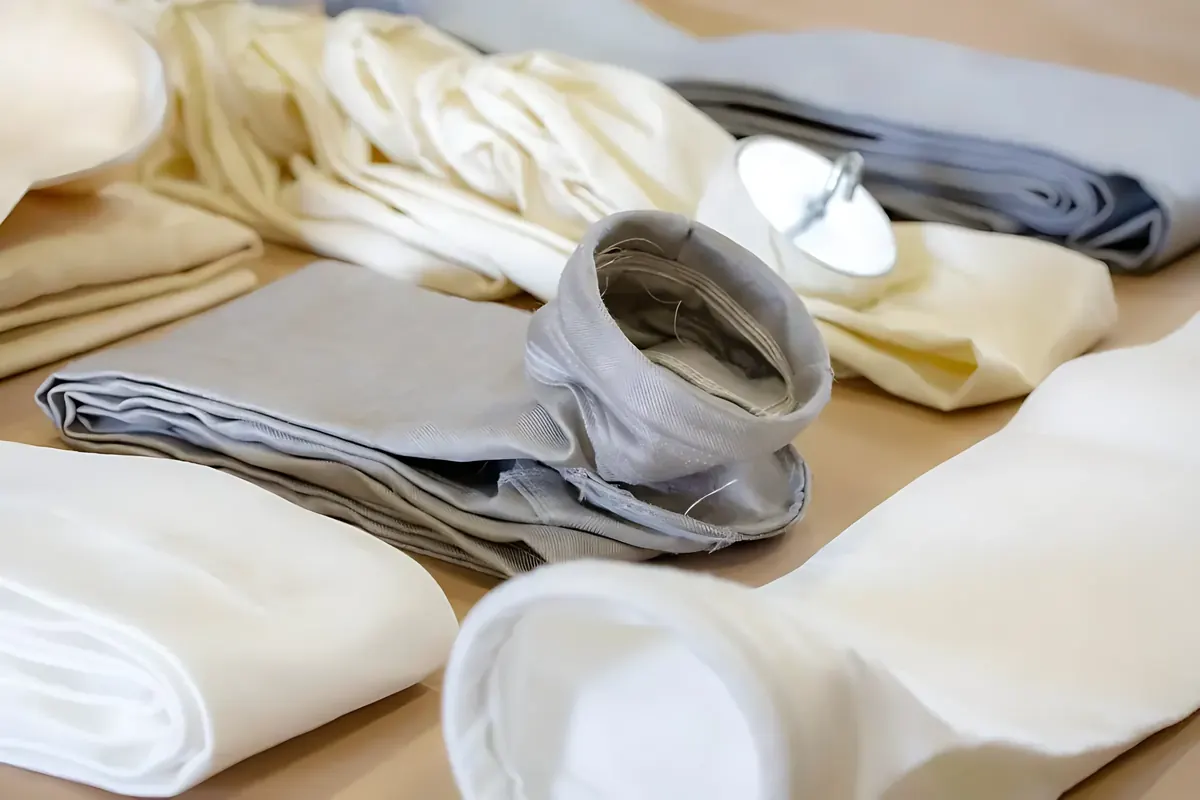
PPS (polyphenylene sulphide) felt is one of the most widely used media for filter bags in hot, acidic flue gas. It is the usual choice in coal-fired boilers and many incineration and process plants, where polyester would break down and PTFE would cost more than the job needs. Buying it well means knowing both what PPS does well and where it fails.
This guide is for filter bag makers, maintenance buyers and distributors who buy needle-punched PPS felt in rolls.
What PPS felt is
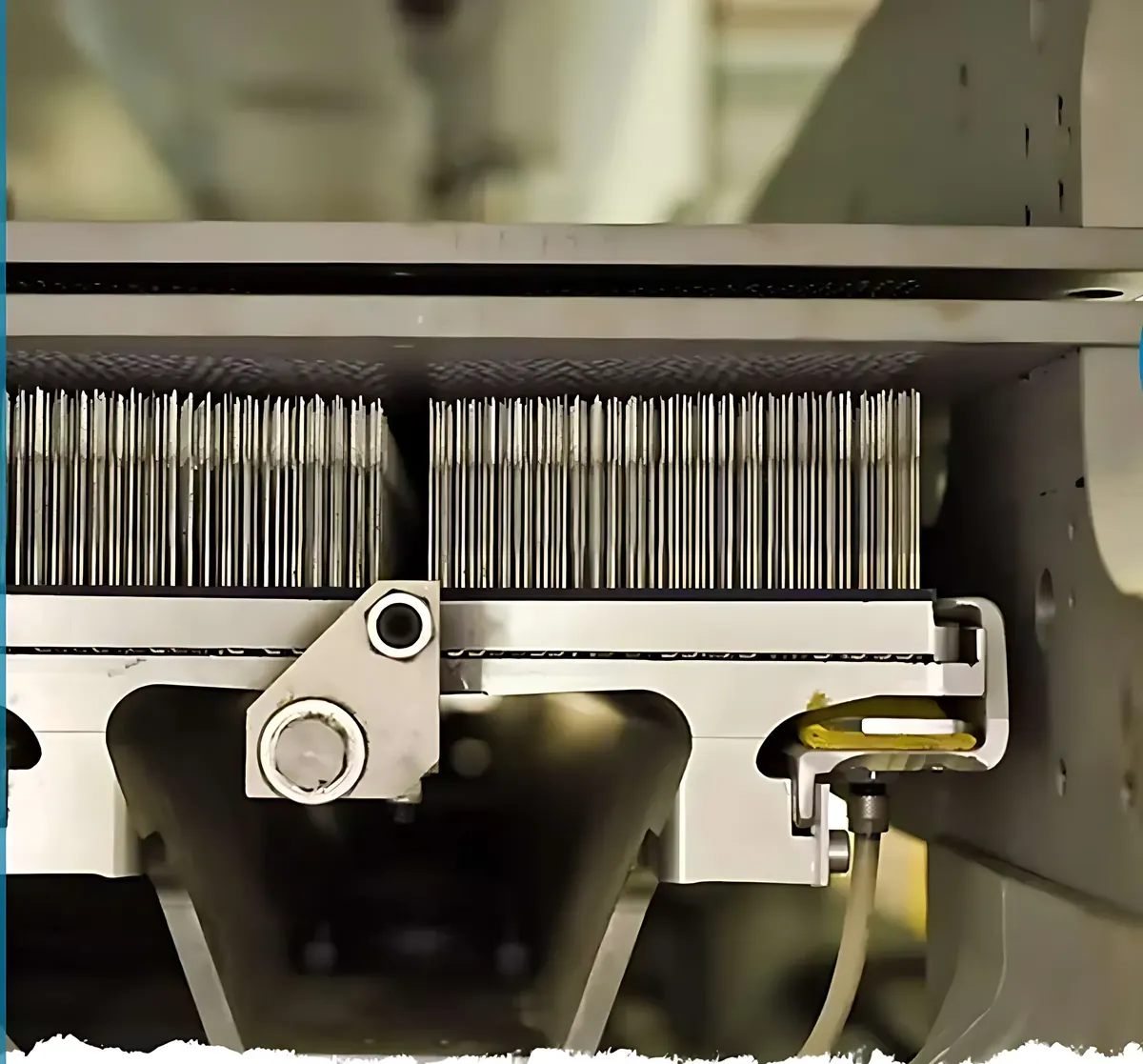
PPS is a high-performance polymer fibre. For filtration it is carded into a web and needle-punched into a felt, usually around a woven scrim that gives the bag its strength and keeps its shape under pulse cleaning. The felt is then heat set and finished on the dust side so the dust cake releases cleanly.
PPS felt is valued for four things:
- Heat resistance: PPS felt works at high temperatures, in the range of about 190–230°C.
- Acid resistance: it stands up well to the acidic gases found in coal and fuel combustion.
- Alkali resistance: it also tolerates alkaline dust and gas.
- Hydrolysis resistance: unlike polyester, it is not weakened by hot, moist gas.
Where PPS is used
- Coal-fired power plants and industrial boilers.
- Waste incineration.
- Other hot-gas processes with acidic or moist flue gas, such as some chemical and metal plants.
In each case, the decision rests on the gas, not the industry name. Two boilers in the same industry can need different media if their fuel, temperature or gas chemistry differs.
The weak point: oxidation
PPS has one important limit. Strong oxidising conditions, such as high oxygen content at high temperature or oxidising gases in the flue gas, attack the fibre over time. The felt turns brittle and the bags fail early. This is the most common reason a PPS bag does not reach its expected life.
Before choosing PPS, check the oxygen level and the gas composition with the plant operator. If the conditions are strongly oxidising, ask about other fibres or protective finishes instead.
PPS compared with other hot-gas fibres
- Polyester (PET): lower cost and strong, but limited to moderate temperatures and weakened by hot moisture. Where it works, it is the economical choice.
- Meta-aramid: heat resistant and strong, but more sensitive to acid and moisture than PPS. Often used in dry processes such as asphalt plants.
- P84 (polyimide): high temperature, acid, alkali and hydrolysis resistance, and a fibre shape that captures fine dust well. It costs more than PPS.
- PTFE: the most chemically resistant fibre, stable up to 260°C, for the harshest conditions, usually at the highest cost.
PPS usually sits in the middle: better than polyester and aramid in hot, acidic and moist gas, and lower in cost than P84 and PTFE.
How to write the specification
- Operating conditions: normal and peak gas temperature, moisture, oxygen level, acid gases and dust type.
- Fibre: 100% PPS, or a stated blend or layered build.
- Scrim: the material of the woven support.
- Weight and thickness: in gsm and mm, with tolerances.
- Air permeability: matched to the collector's design air-to-cloth ratio.
- Finish: singeing, calendering, heat setting, and any PTFE or repellent treatment.
- Strength and shrinkage: minimum tensile strength and maximum heat shrinkage.
- Roll format: width, length and core, matched to your bag-making line.
How to test samples
- Check the basics: weight, thickness and air permeability on several points across the roll width.
- Heat shrinkage: hold a sample at the peak gas temperature and measure how much it shrinks. A felt that shrinks too much will tighten on the cage and tear.
- Surface finish: look for an even singed or calendered surface with no loose fibres.
- Field trial: where possible, fit a few trial bags in the collector and inspect them after a period of service.
Mistakes to avoid
- Choosing PPS without checking oxygen and oxidising gases.
- Designing to the average gas temperature. Peaks damage felt; design to the maximum.
- Paying for PTFE where PPS does the job.
- Skipping heat setting. Unstable felt shrinks in service.
What to ask a PPS felt supplier
- Do you needle-punch the felt in-house?
- Which fibres can you run besides PPS, if my conditions change?
- Which finishes do you offer, and which do you recommend for my dust?
- Do you make the felt to my specification, or only sell standard grades?
- Can you slit to my bag-making widths?
- Can I combine PPS felt with other products in one container?
How we supply PPS filter felt
Samridhi Crreation is a manufacturer and exporter from India, established in 2004, with more than 1,000 clients. We needle-punch felts on our own lines, from 60 to 2,000 gsm, in PET, PP, viscose, nylon, PAN, PPS, aramid and PTFE. See our needle-punched felt.
- Dust bag filter media: PET, PP, P84, PPS, PTFE, aramid and acrylic media for collectors in cement, steel, power, waste incineration, chemicals and other industries.
- High-temperature felts: PPS, PAN, aramid and PTFE felts for thermal and acoustic insulation.
- Finishes: singeing, calendering, heat setting, PTFE, water and oil repellent.
- Made to order: filter media is made to your specification. There are no stock grades.
- Private label / OEM: we supply bag makers and distributors worldwide.
- Orders: minimum one 40'HQ container, and 5 to 6 products can be combined in it.
- Shipping: FOB India (Mundra or Nhava Sheva) as standard, CIF and DAP on request.
- EU documents: REACH and SVHC declarations.
Send us your gas conditions and bag size through our contact page, and we will propose a felt build and send samples.