
- Home
- Applications
- Spunlace and air-through nonwoven for wet wipes and cosmetic pads
Application · Wipes and personal care
Spunlace and air-through nonwoven for wet wipes and cosmetic pads
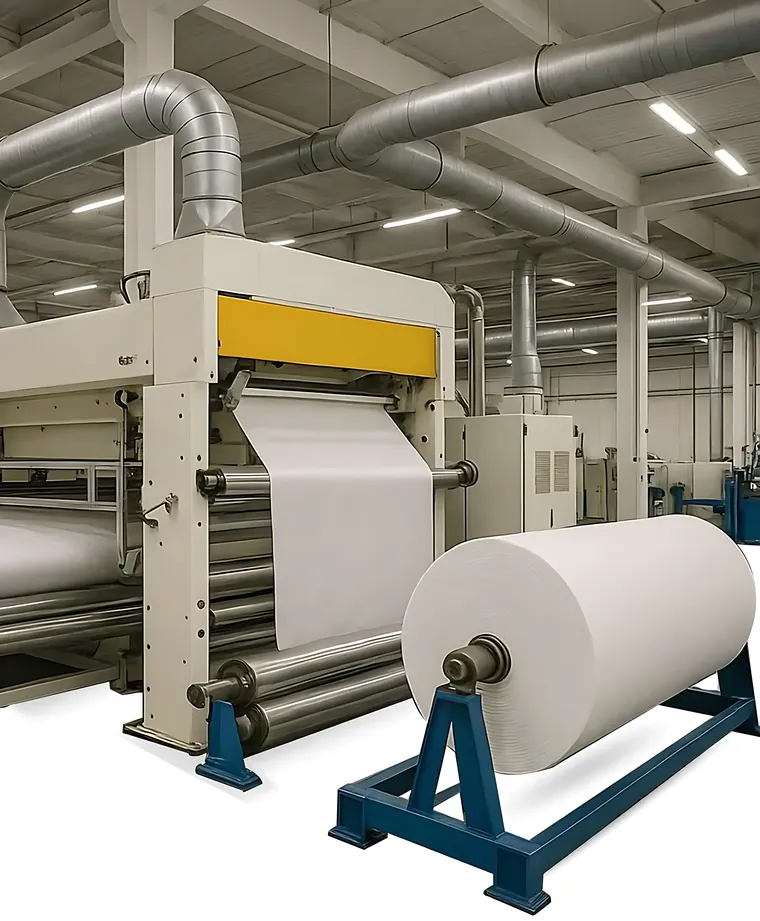
Wet wipes, baby wipes, facial wipes and cosmetic pads are converted from nonwoven roll goods. We make spunlace on our own lines in India, in five fibre families and several surfaces, and soft hot air-through nonwoven, and supply them as jumbo or slit rolls to wipe and pad converters.
Products
What we supply for this
| Product | What it does here |
|---|---|
| Spunlace Non-Woven Fabric | Hydroentangled, binder-free, soft, strong and low-lint: polyester, viscose, cotton, Tencel, bamboo and blends; plain, apertured, embossed, printed or treated. |
| Hot Air-Through Non-Woven Fabric | Soft, bulky hot air-through nonwoven, 12–70 gsm, hydrophilic or hydrophobic, for wipes and cosmetic pads. |
What a wipe needs from the fabric
A wipe is used wet, against skin or a surface, and then thrown away. The fabric has to stay strong when it is wet, hold and release its lotion, feel soft and leave no lint behind.
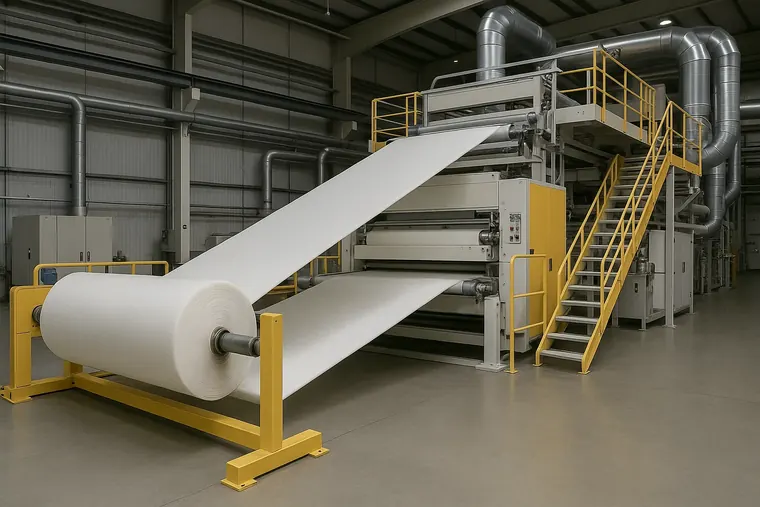
Spunlace is the usual base for wet wipes because its fibres are entangled by fine water jets rather than held together with a binder. The result is soft, strong and low-lint, with no binders in the fabric.
Choosing the fibre
The fibre mix sets how the wipe feels, how much liquid it holds and how strong it is. We make spunlace in polyester, viscose, cotton, Tencel and bamboo, and in blends of these.
- Viscose: soft and absorbent; widely used in baby and personal-care wipes.
- Polyester: adds strength, especially when the fabric is wet; often blended with viscose.
- Cotton: a natural fibre, for wipes and pads sold on a cotton claim.
- Tencel and bamboo: cellulose-based fibres for ranges built around them.
- Blends: a balance of softness, absorbency, strength and cost.
Fibre choice and market claims
If your market asks for wipes without plastic fibres, start from a blend without polyester, and tell us exactly what claim you will make on the pack. The specification can then be set to match it. Checking that a claim is allowed in your market remains with the brand owner.
Surface and finish
Spunlace can be made with different surfaces, which change how the wipe looks, feels and cleans:
- Plain: a smooth, even surface.
- Apertured: small open holes that give a textured surface and let lotion pass through.
- Embossed: a raised pattern that adds bulk and gives a premium texture and coverage.
- Printed: patterns or colours printed on the fabric.
- Treated: finishes applied for the end use.
Spunlace or air-through for cosmetic pads?
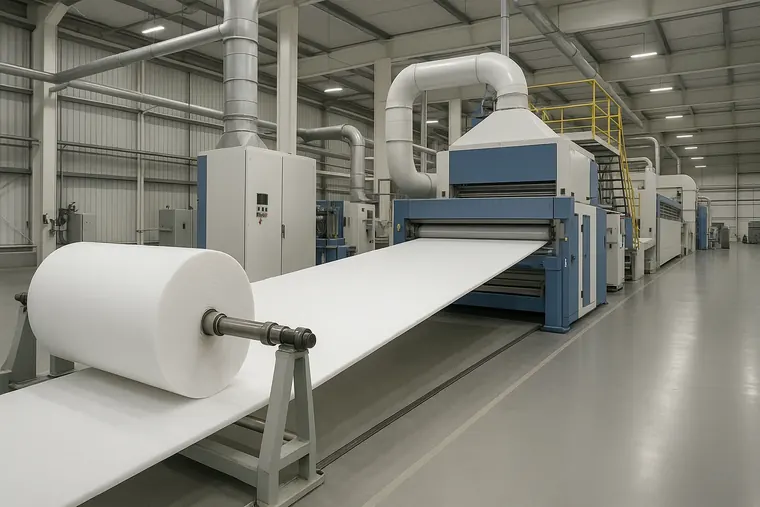
Cosmetic and facial pads are made from both. Spunlace gives a strong, low-lint surface in natural or blended fibres. Hot air-through nonwoven is bonded by passing heated air through the web, so it keeps its loft: it is soft and bulky, with an open structure that takes up liquid quickly, and is available hydrophilic or hydrophobic.
Choose by the feel you want and how your pad is made. We make both, so you can test samples of each on your own line.
How we supply
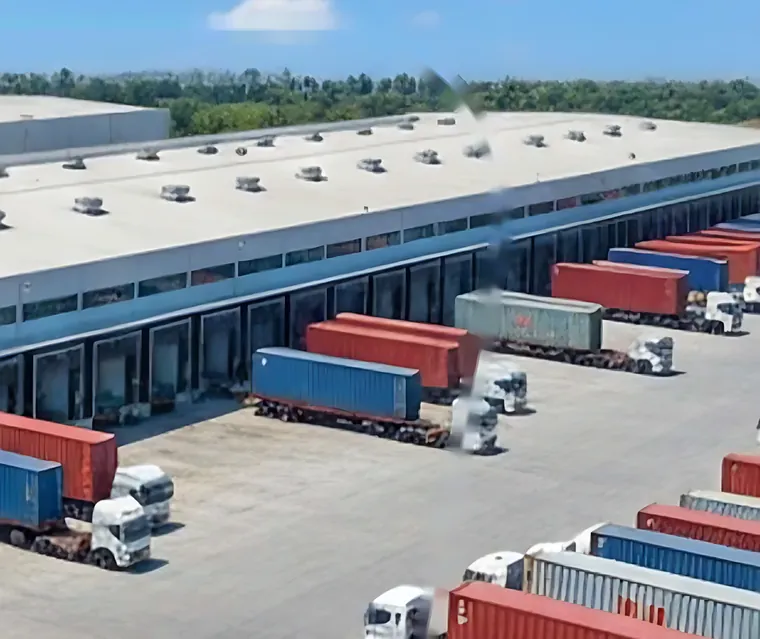
Our spunlace is made on French technology, with an annual capacity of 12,000 MT, and supplied as jumbo rolls or slit rolls. Hot air-through nonwoven is supplied as rolls slit to width, from 12 to 70 gsm. Both come from our own lines, and 5–6 different products can be combined in one 40'HQ container, so wipe and pad materials can ship together.
What to tell us when you enquire
- Product: wet wipes, baby wipes, facial wipes, household cloths or cosmetic pads
- Fibre or blend, and any claim you will make on the pack
- Weight (gsm)
- Surface: plain, apertured, embossed, printed or treated
- Hydrophilic or hydrophobic (air-through)
- Jumbo or slit rolls; width, roll diameter or length, and core size
- Quantity and destination port
What happens next
- Send us your enquiry with the details listed here.
- Our export team replies within 24 hours on working days.
- We send free samples and pay the courier.
- You test the samples; we confirm the specification and quote for a container.
Supply
How we supply it
- Production
- Our own spunlace and hot air-through lines in India
- Spunlace capacity
- 12,000 MT per year
- Fibres
- Polyester, viscose, cotton, Tencel, bamboo and blends
- Surfaces
- Plain, apertured, embossed, printed, treated
- Air-through
- 12–70 gsm, hydrophilic or hydrophobic
- Supply
- Spunlace as jumbo or slit rolls; air-through as rolls slit to width
- Minimum order
- One 40'HQ container; 5–6 products can be combined
- Brand
- Private label / OEM: your brand, labels and packing
- Shipping
- FOB India (Mundra or Nhava Sheva) as standard; CIF and DAP on request
- EU documents
- REACH and SVHC declarations
- Samples
- Free. We pay the courier.
FAQ
Questions buyers ask
Which fibres can you make spunlace in?
Polyester, viscose, cotton, Tencel and bamboo, and blends of these.
Does your spunlace contain binders?
No. The fibres are entangled by fine water jets, with no binders.
Can you make apertured or embossed spunlace?
Yes. We make plain, apertured, embossed, printed and treated spunlace.
Which material is better for cosmetic pads?
Both are used. Spunlace gives a strong, low-lint surface; hot air-through nonwoven is softer and bulkier. We can send samples of each.
What is the minimum order?
One 40'HQ container, in which 5–6 different products can be combined.
Can I get samples?
Yes. Samples are free and we pay the courier. Tell us the product, fibre, weight and surface you want.
Buyer's guides
Request a quote
Quick enquiry
Tell us what you need. We reply within 24 hours on working days.
- Manufacturer since 2004, 1,000+ clients
- Our own production lines in India
- Free samples – we pay the courier
- Private label, mixed 40'HQ containers