
- Home
- Applications
- Spunbond for footwear, leather goods and interlinings
Application · Footwear, bags and apparel
Spunbond for footwear, leather goods and interlinings
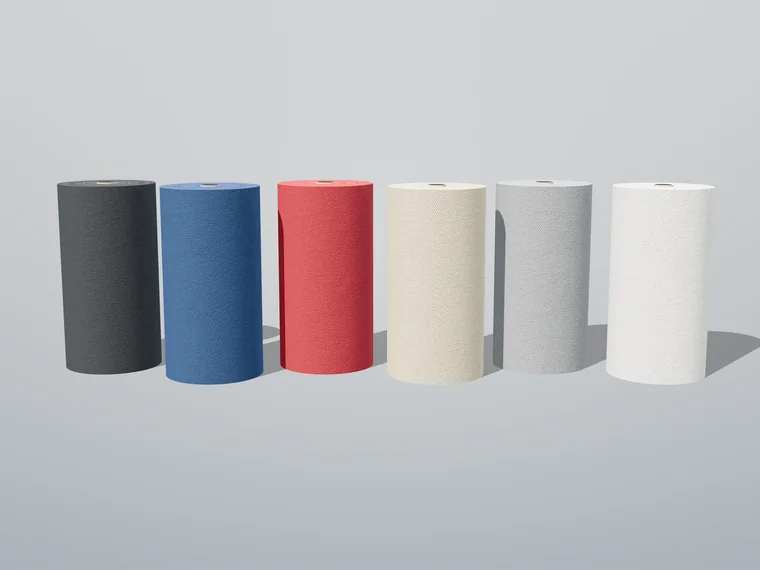
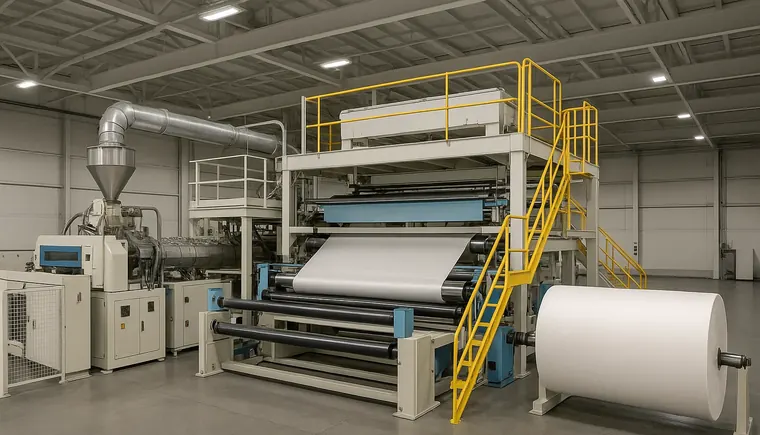
Footwear makers, leather-goods manufacturers and interlining converters use spunbond nonwoven for linings, reinforcing layers and the base of interlinings. We make PET and nylon 6 spunbond on our own lines in India: point or flat bonded, 15–150 gsm, in any colour.
Products
What we supply for this
| Product | What it does here |
|---|---|
| PET Spunbond Non-Woven Fabric | Footwear linings, leather goods and synthetic-leather bases: stiff and stable through heat, laminating and coating, and thermoformable. |
| Nylon 6 Spunbond Non-Woven Fabric | Apparel interlinings and footwear components: tough, flexible, abrasion and tear resistant, and bonds well to adhesives and coatings. |
Where spunbond is used
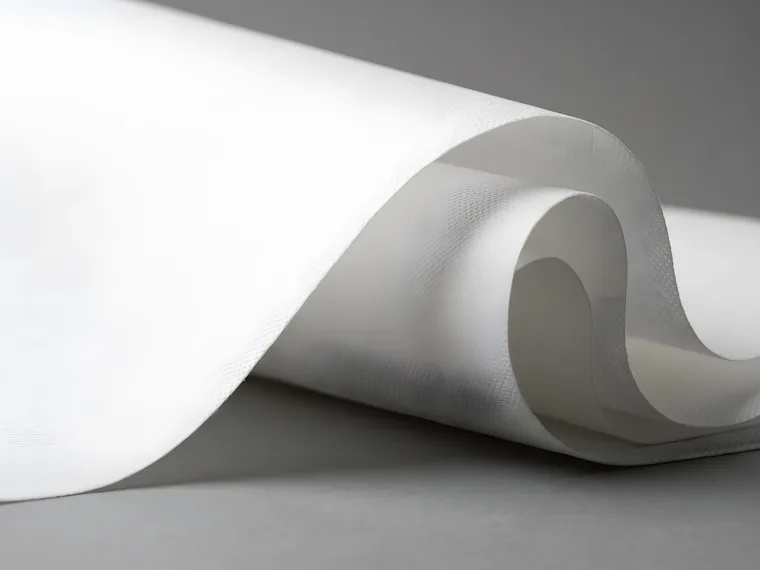
In shoes, bags and garments, spunbond is mostly hidden. It is the layer that gives a part body, keeps it in shape or protects the layer above it.
- Footwear: linings and footwear components.
- Synthetic leather: the base fabric under the PU or PVC coating.
- Leather goods: linings and reinforcing layers in bags, wallets, belts and cases.
- Apparel interlinings: the base fabric of interlinings that give collars, cuffs, waistbands and fronts their shape.
What the material needs
The details differ from product to product, but buyers usually look for the same things:
- Even weight and a uniform look, because linings are often seen.
- Strength and tear resistance for stitching, shaping and daily wear.
- Stability through heat: fusing presses, laminating, coating and moulding.
- Good adhesion to adhesives, hot-melt coatings and PU or PVC layers.
- Clean edges when cut or ultrasonically sealed.
PET or nylon 6?
Nylon 6 is the tougher and more flexible of the two. It resists abrasion and tearing, stays strong at low weights and bonds well to adhesives and coatings, which suits interlinings and footwear components that flex in use. It absorbs a little moisture from the air, so condition samples before you test them.
PET is stiffer and more dimensionally stable, keeps its strength and size when heated, and takes up almost no moisture. It suits linings and reinforcing layers that go through hot laminating, coating or moulding, and parts that must keep their shape.
Both can be ultrasonically welded and cut with clean, non-fraying edges, and PET spunbond can also be thermoformed.
Bonding, weight and colour
Point-bonded spunbond is soft, flexible and more open, and drapes and moulds well; flat-bonded spunbond is thin, smooth and dense, with an even surface for printing, coating and lamination. Both polymers are made from 15 to 150 gsm, in white or any colour to your requirement, so a lining can be matched to the leather or fabric it sits behind.
Ordering
We supply jumbo rolls or rolls slit to your width, labelled and packed to your specification. The minimum order is one 20-foot container for each polymer. Samples are free, and we can send both polymers and both bondings so that you can test them on your own presses and machines. If you are replacing a material you use now, send us its data sheet or a sample.
What to tell us when you enquire
- Product and part: lining, reinforcement, interlining base or synthetic-leather base
- Processes it goes through: fusing, laminating, coating, moulding, stitching
- Polymer: PET or nylon 6 (or samples of both)
- Weight (gsm) and bonding type
- Colour
- Roll width, length and core size
- Quantity and destination port
What happens next
- Send us your enquiry with the details listed here.
- Our export team replies within 24 hours on working days.
- We send free samples and pay the courier.
- You test the samples; we confirm the specification and quote for a container.
Supply
How we supply it
- Production
- Our own spunbond lines in India
- Polymers
- PET and nylon 6 (PA6)
- Weight
- 15–150 gsm
- Bonding
- Point bonded or flat calender bonded
- Colours
- White or any colour to your requirement
- Supply
- Jumbo rolls or slit to width; clean, non-fraying edges
- Minimum order
- One 20-foot container per product
- Brand
- Private label / OEM: your brand, labels and packing
- Shipping
- FOB India (Mundra or Nhava Sheva) as standard; CIF and DAP on request
- EU documents
- REACH and SVHC declarations
- Samples
- Free. We pay the courier.
FAQ
Questions buyers ask
Which spunbond suits interlinings, PET or nylon 6?
Nylon 6 when the interlining must be tough and flexible and bond well to adhesives; PET when it must stay stiff and stable in size through hot pressing. We make both, so we can send samples of each.
Do you supply spunbond for footwear linings?
Yes. PET spunbond is used for footwear linings and leather goods, and nylon 6 spunbond for footwear components.
Can we order the fabric in our own colour?
Yes. Both are made in white or any colour to your requirement.
Does the fabric fray when cut?
No. Spunbond has clean, non-fraying edges, and both polymers can be cut and sealed ultrasonically.
What is the minimum order?
One 20-foot container for PET spunbond, and one 20-foot container for nylon 6 spunbond.
Can I get samples?
Yes. Samples are free and we pay the courier. Tell us the end use, weight, bonding type and colour.
Buyer's guides
Related applications
Request a quote
Quick enquiry
Tell us what you need. We reply within 24 hours on working days.
- Manufacturer since 2004, 1,000+ clients
- Our own production lines in India
- Free samples – we pay the courier
- Private label, mixed 40'HQ containers